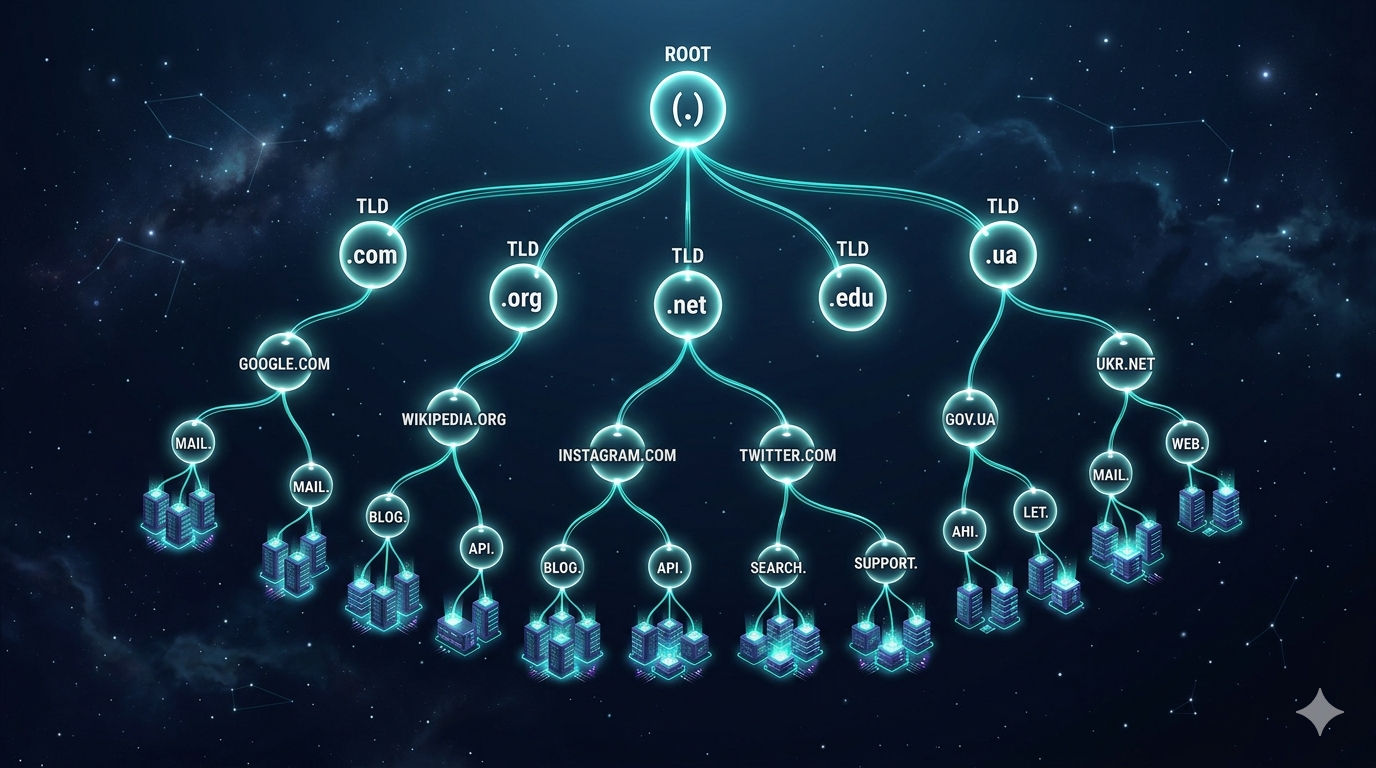
Every time you type a URL into your browser, you’re relying on a system that has been quietly running the internet’s address book for decades. Domain names look simple on the surface — just a few words separated by dots — but behind them lies a layered infrastructure of global organizations, technical protocols, legal frameworks, and business interests. This article breaks down how the whole thing works.
(more…)Tag: address
-
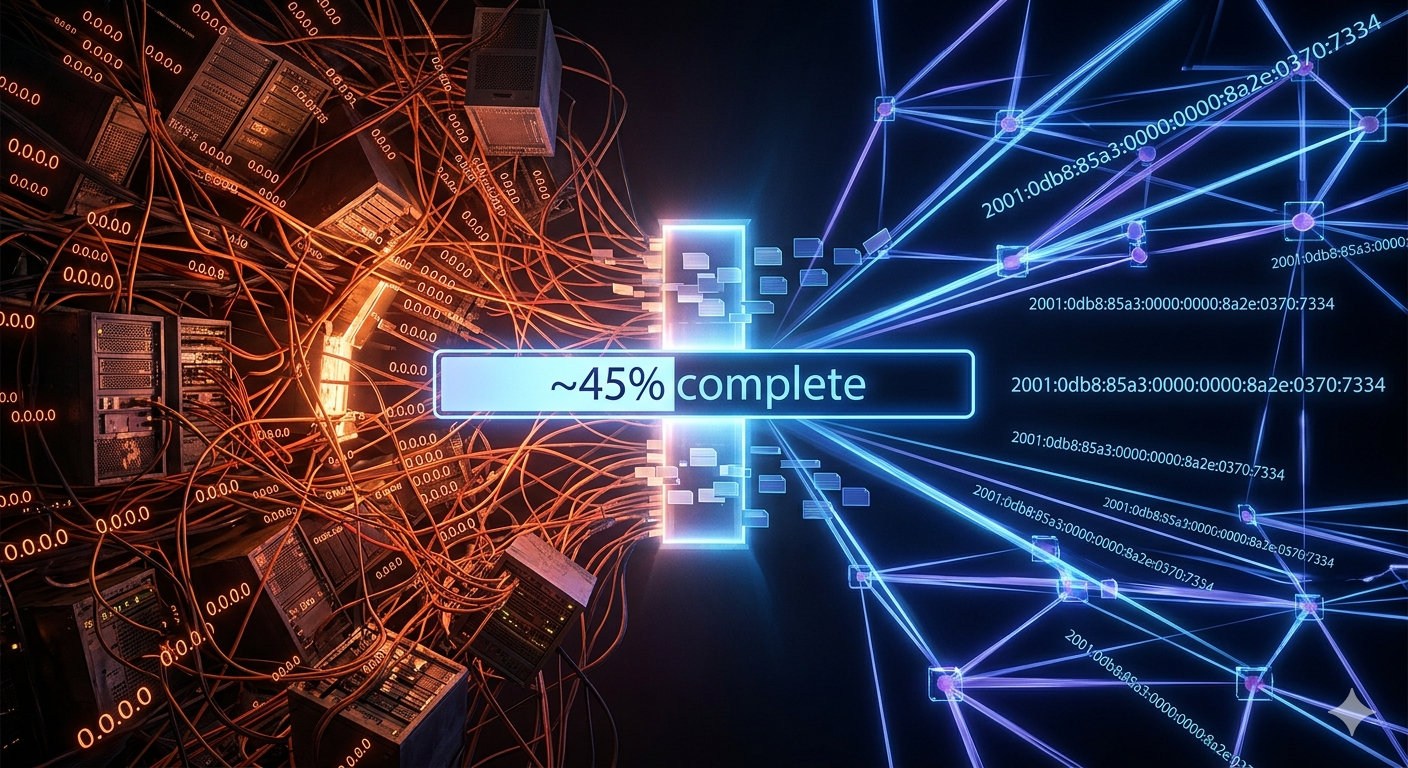
IPv6: Why the Transition Is Still Incomplete — and What Lies Ahead
The internet has been “running out of addresses” for decades. The fix has existed since 1998. So why are we still not done?
The Problem That Was Supposed to Be Solved by Now
IPv4, the addressing protocol that underpins the modern internet, was designed in 1981 with a pool of roughly 4.3 billion addresses. At the time, that seemed infinite. By the early 1990s, it was clear it wasn’t.
IPv6 was standardized by the IETF in 1998 (RFC 2460), offering a staggering 340 undecillion addresses — enough for every atom on Earth’s surface to have its own IP. The plan was straightforward: migrate, deprecate IPv4, move on.
It is now 2026. IPv4 is still the dominant protocol. The transition is, generously, about halfway done.
This is a story about technical debt, economic incentives, human inertia, and one of the most complex infrastructure migrations in computing history.
(more…) -
IP Addresses: What They Are and How They Work
Every time you open a browser, visit a website, send an email, or stream a video, a complex coordination process takes place behind the scenes between millions of devices around the world. At the heart of this coordination is the IP address — a unique identifier without which the modern internet simply could not exist.
(more…)