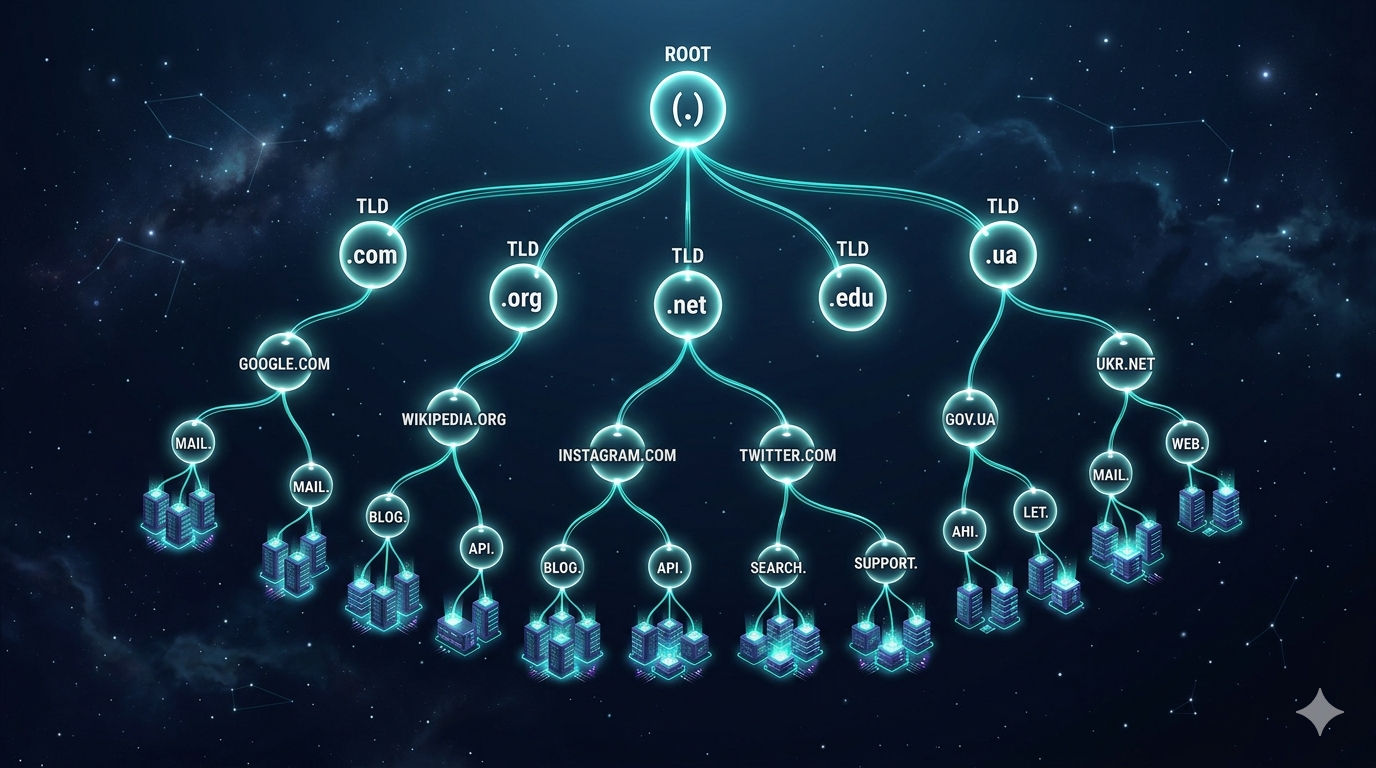
Every time you type a URL into your browser, you’re relying on a system that has been quietly running the internet’s address book for decades. Domain names look simple on the surface — just a few words separated by dots — but behind them lies a layered infrastructure of global organizations, technical protocols, legal frameworks, and business interests. This article breaks down how the whole thing works.
(more…)-
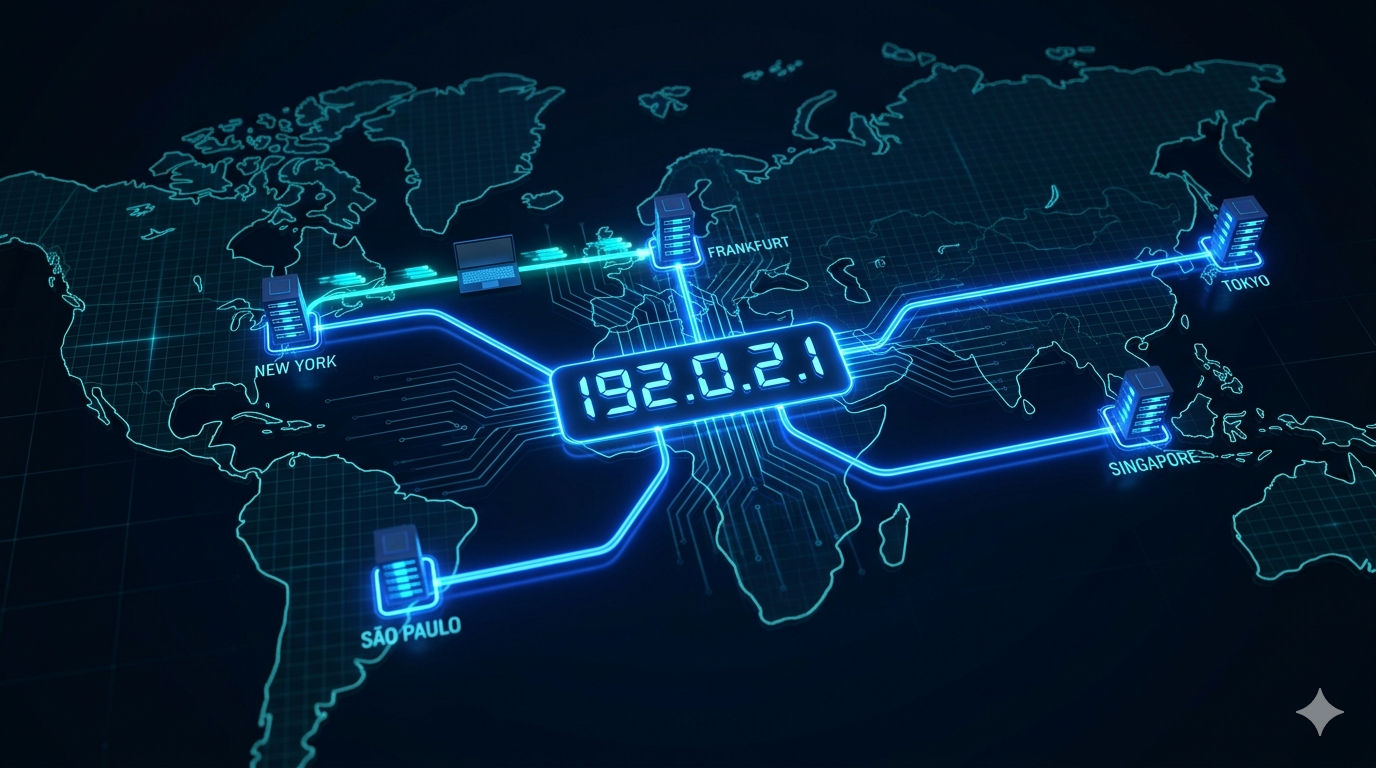
Anycast: The Magic of One IP on Thousands of Servers
How a single IP address can simultaneously live on hundreds of machines across the globe — and why that’s one of the internet’s most elegant tricks.
The Problem Anycast Solves
Imagine you’re in Tokyo, trying to reach a DNS server located in New York. Every query you make travels across the Pacific Ocean, endures 150+ milliseconds of latency, and returns the same way. For a single request, that’s tolerable. For millions of users doing it constantly, it’s a serious bottleneck.
(more…) -
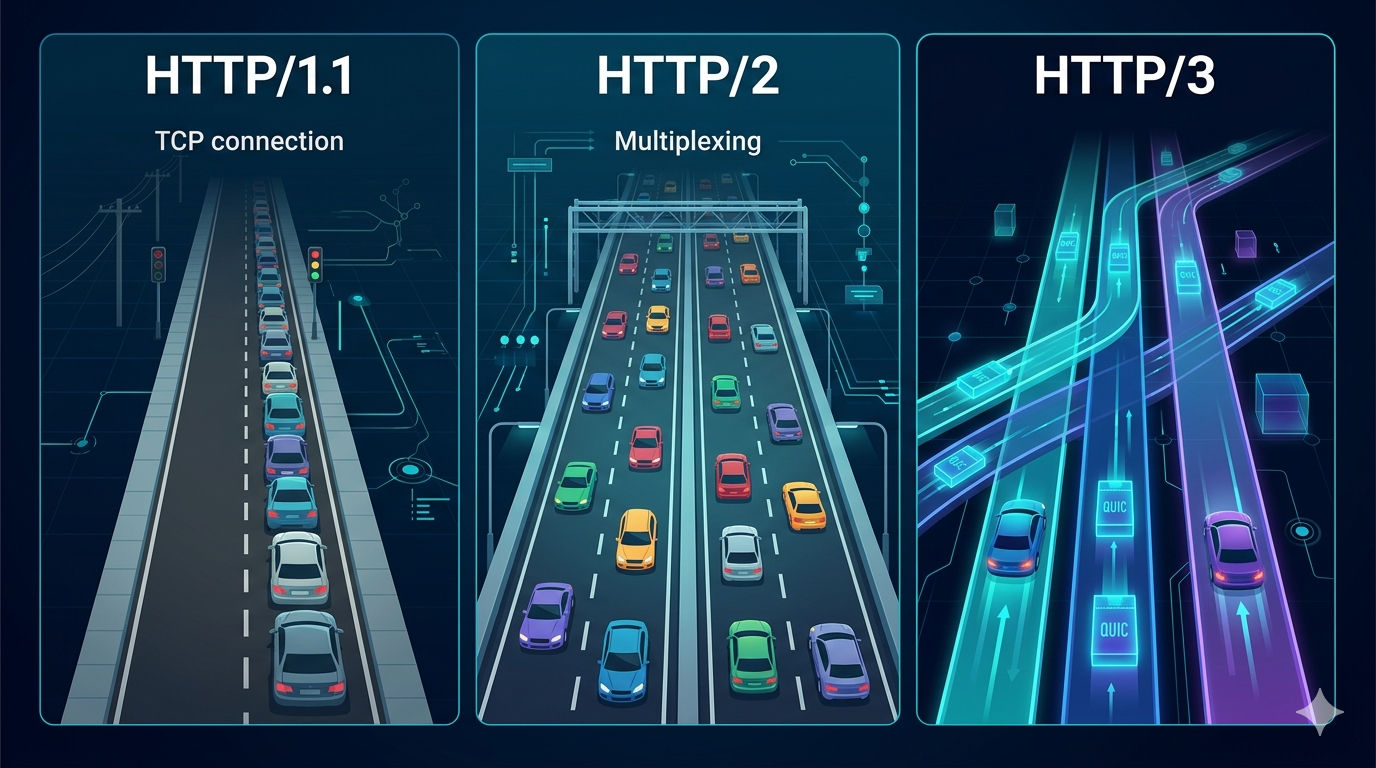
HTTP/1.1 vs HTTP/2 vs HTTP/3 — The Evolution of the Protocol
(more…)How the backbone of the web went from a simple text protocol to a blazing-fast, multiplexed, encrypted-by-default communication layer.
-

Mesh Networks: How They Work and Why They Matter
The internet, as most of us experience it, follows a simple model: your device connects to a router, the router connects to an ISP, and the ISP routes traffic to the rest of the world. It’s a hub-and-spoke architecture — elegant, efficient, and deeply fragile. Remove the hub, and the spokes go dark.
(more…) -
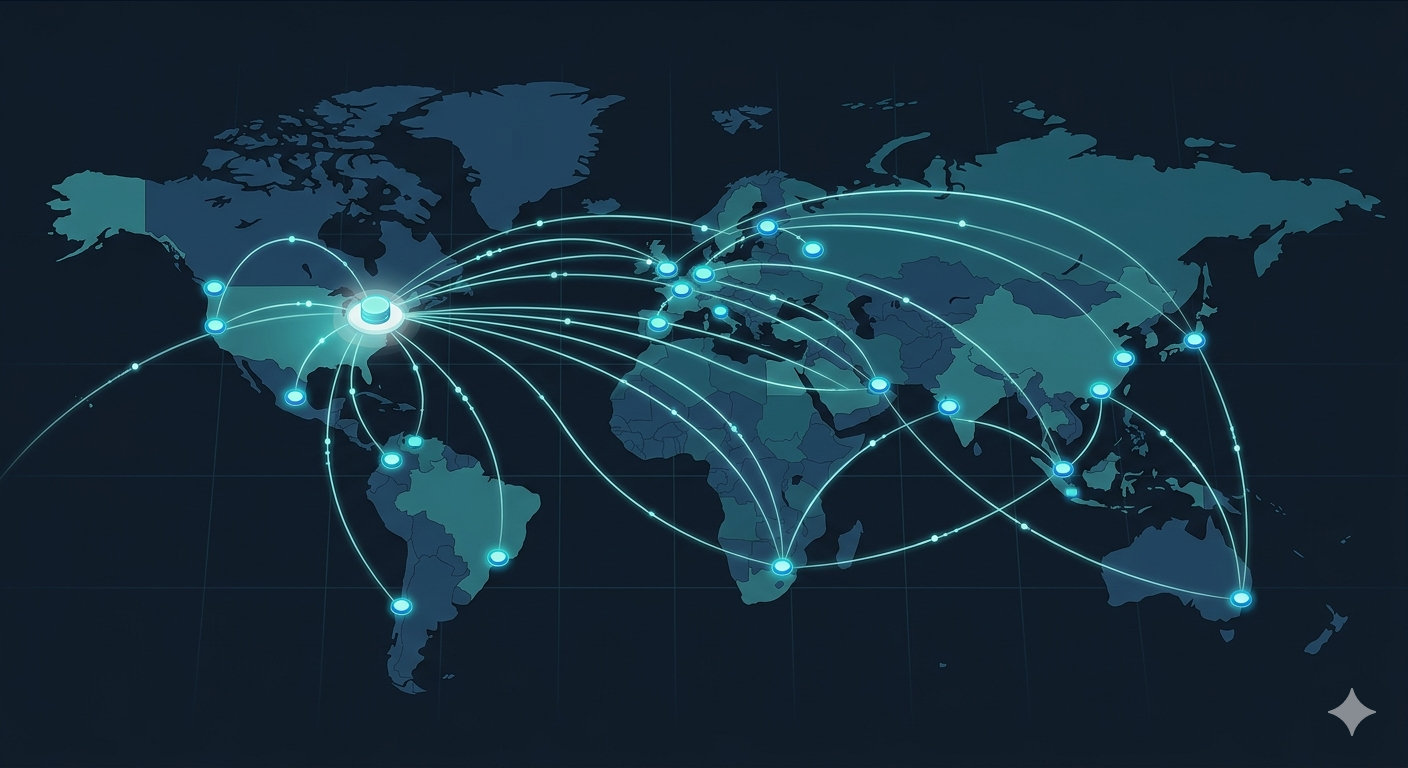
CDN: How Content Ends Up Close to You
CDN (Content Delivery Network) is a distributed network of servers located around the world that delivers web content to users with minimal latency.
The Problem CDN Solves
Imagine your favorite website is physically hosted on a server in San Francisco. You open it from Kyiv, and your request travels ~9,000 km each way. Even at the speed of light, that’s ~60–90 ms just for the physical signal propagation, and real-world latency, including routing and processing, easily reaches 200–300 ms.
(more…) -

BGP Hijacking: How Attackers Steal Internet Traffic
The internet routes billions of packets every second across thousands of autonomous systems. At its core sits BGP — a protocol built on trust. And trust, as history shows, is easy to exploit.
What Is BGP and Why Does It Matter
The Border Gateway Protocol (BGP) is the routing protocol that makes the global internet work. Every internet service provider, cloud provider, and large enterprise operates as an Autonomous System (AS) — an independently managed network with a unique AS number (ASN).
(more…) -

Dial-Up Internet: The Screeching Gateway to the Digital World
How a telephone line connected a generation to the internet — and why it still matters
Before fiber optics, before Wi-Fi, before broadband became a household word, there was dial-up. For most of the 1990s and early 2000s, the ritual was the same: sit down at a beige desktop computer, open a browser, and wait. Wait for the modem to wake up. Wait for the phone line to negotiate. Wait for that unmistakable cacophony of screeches, hisses, and static — the handshake that meant you were, at last, online.
(more…) -
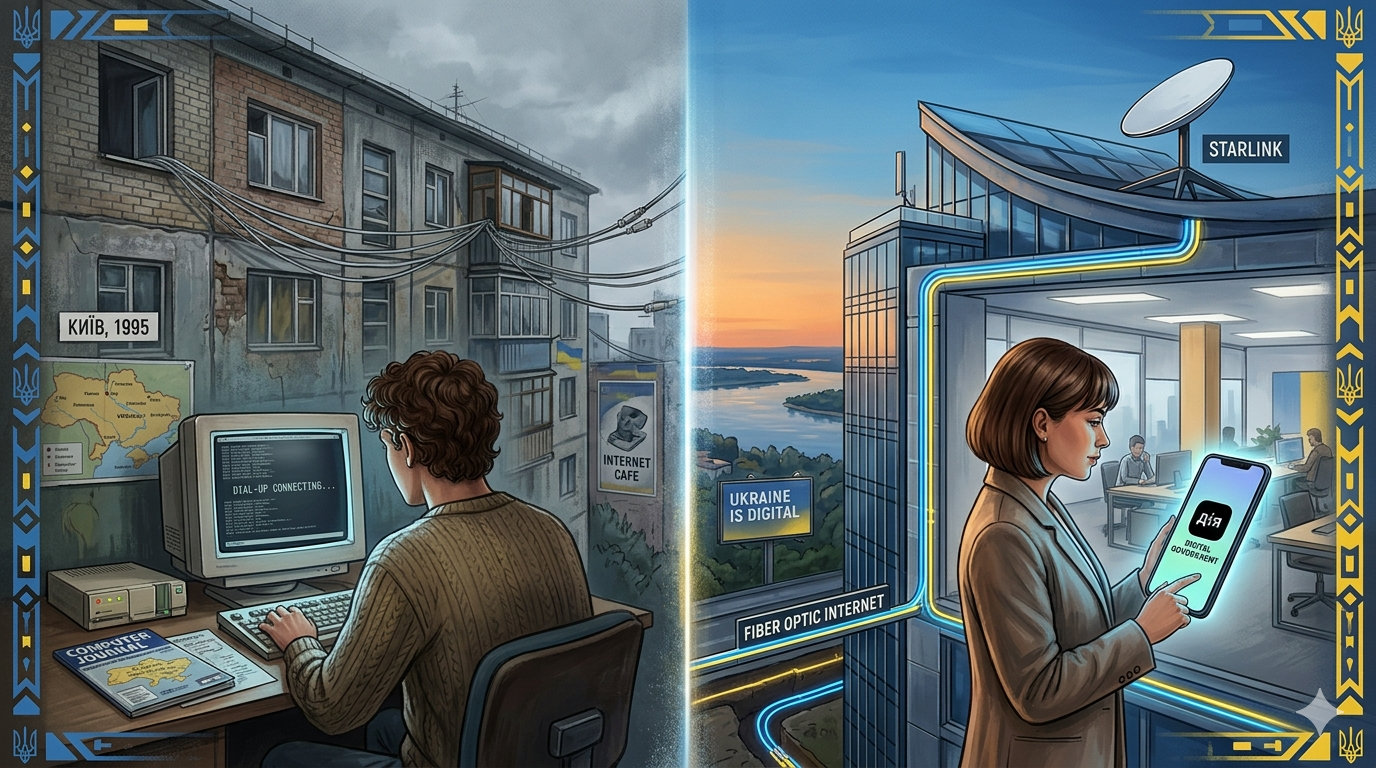
The History of Internet Networks in Ukraine
From Soviet Wires to Fiber Revolution
Ukraine’s journey into the digital age is a story of resilience, rapid adaptation, and remarkable growth. From the first experimental connections in the early 1990s to becoming one of Europe’s most connected nations, the development of internet infrastructure in Ukraine reflects both the country’s post-Soviet transformation and its determination to build a modern technological society.
(more…) -
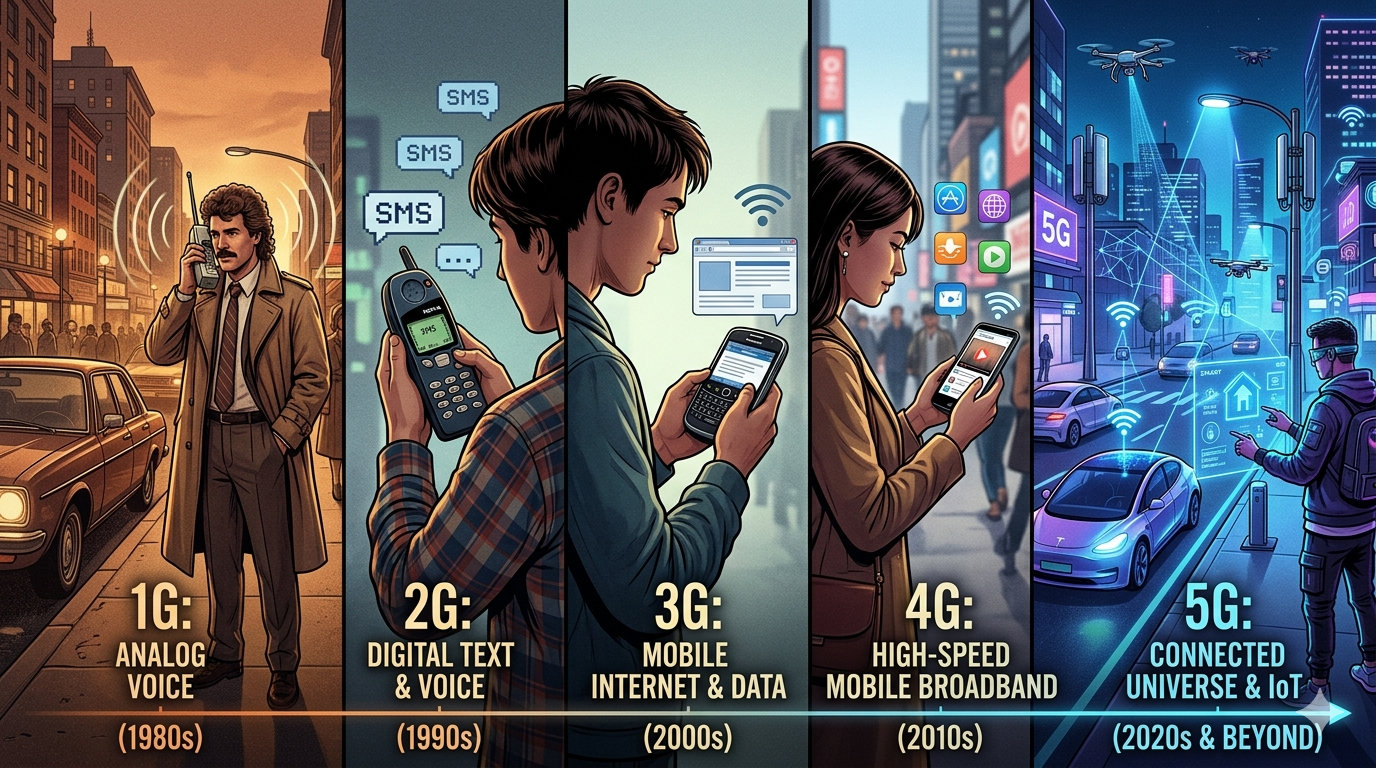
Mobile Networks: From 1G to 5G — A Complete Overview
Mobile communications have transformed human society more profoundly than almost any other technology of the 20th and 21st centuries. What began as a bulky, expensive privilege for a handful of business executives has become a universal infrastructure layer that billions of people rely on every day — for calls, messaging, banking, navigation, entertainment, and increasingly for critical IoT systems. This article traces the evolution of cellular networks from their analog origins to the hyperconnected era of 5G.
(more…) -

DDoS Attacks: Understanding the Threat and How to Fight Back
In an increasingly connected world, Distributed Denial of Service (DDoS) attacks have become one of the most disruptive and costly threats facing organizations of all sizes. From small startups to multinational corporations, government institutions to gaming platforms — no one is immune. Understanding what DDoS attacks are, how they work, and how to defend against them is no longer optional; it is a fundamental requirement of modern infrastructure resilience.
(more…)