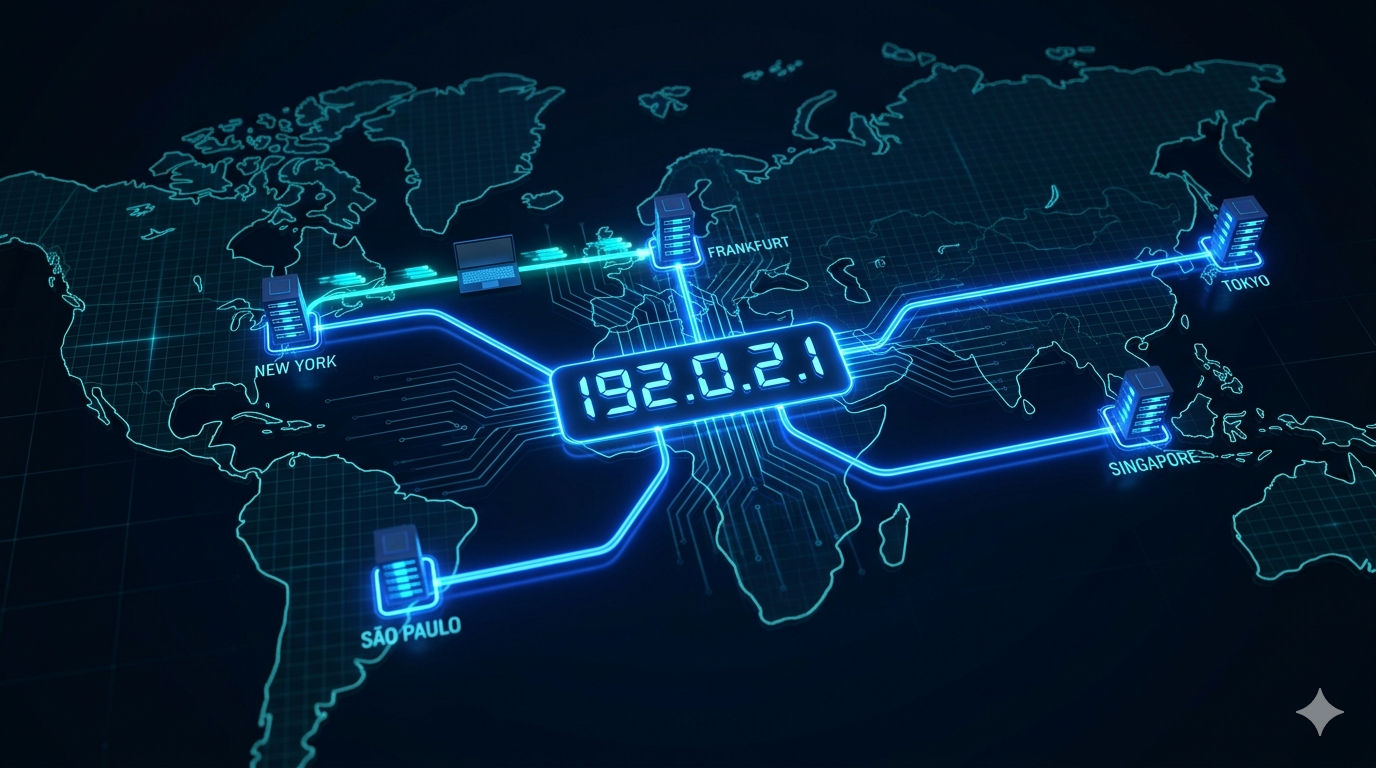
Tag: problem

  • Anycast: The Magic of One IP on Thousands of Servers

    Anycast: The Magic of One IP on Thousands of Servers

    How a single IP address can simultaneously live on hundreds of machines across the globe — and why that’s one of the internet’s most elegant tricks.

    The Problem Anycast Solves

    Imagine you’re in Tokyo, trying to reach a DNS server located in New York. Every query you make travels across the Pacific Ocean, endures 150+ milliseconds of latency, and returns the same way. For a single request, that’s tolerable. For millions of users doing it constantly, it’s a serious bottleneck.

    (more…)
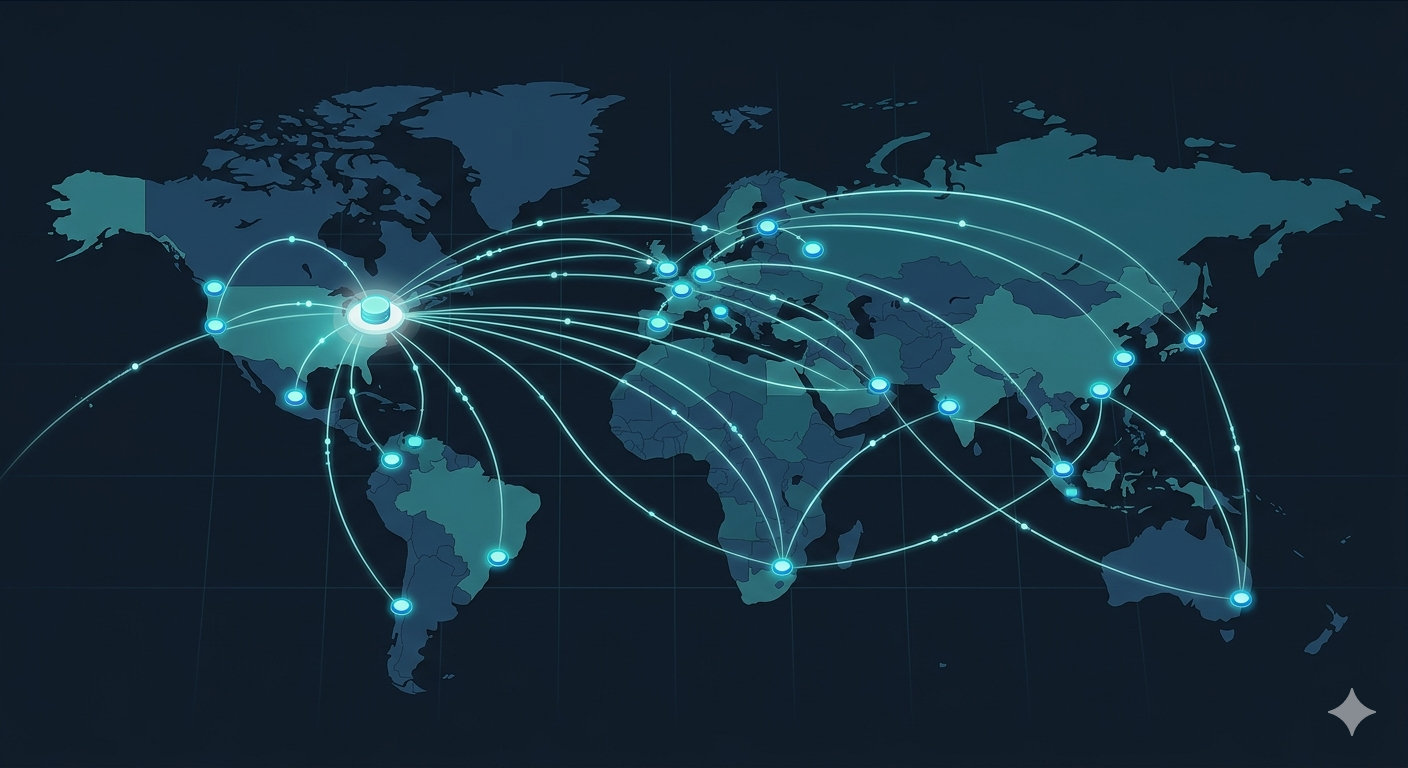

  • CDN: How Content Ends Up Close to You

    CDN: How Content Ends Up Close to You

    CDN (Content Delivery Network) is a distributed network of servers located around the world that delivers web content to users with minimal latency.

    The Problem CDN Solves

    Imagine your favorite website is physically hosted on a server in San Francisco. You open it from Kyiv, and your request travels ~9,000 km each way. Even at the speed of light, that’s ~60–90 ms just for the physical signal propagation, and real-world latency, including routing and processing, easily reaches 200–300 ms.

    (more…)
  • IPv6: Why the Transition Is Still Incomplete — and What Lies Ahead

    IPv6: Why the Transition Is Still Incomplete — and What Lies Ahead

    The internet has been “running out of addresses” for decades. The fix has existed since 1998. So why are we still not done?

    The Problem That Was Supposed to Be Solved by Now

    IPv4, the addressing protocol that underpins the modern internet, was designed in 1981 with a pool of roughly 4.3 billion addresses. At the time, that seemed infinite. By the early 1990s, it was clear it wasn’t.

    IPv6 was standardized by the IETF in 1998 (RFC 2460), offering a staggering 340 undecillion addresses — enough for every atom on Earth’s surface to have its own IP. The plan was straightforward: migrate, deprecate IPv4, move on.

    It is now 2026. IPv4 is still the dominant protocol. The transition is, generously, about halfway done.

    This is a story about technical debt, economic incentives, human inertia, and one of the most complex infrastructure migrations in computing history.

    (more…)