
What happens in the 50 milliseconds between you pressing Enter and a webpage appearing? The answer is one of the most elegant engineering stories ever told.
(more…)Category: Knowledge
-

VPN, Firewall, DDoS: What Actually Protects You Online (And What Doesn’t)
A no-nonsense guide to network security for people who don’t want a PhD to understand it.
The Internet Is a Public Road
Every time you open a browser, send a message, or use an app, your data travels across a network that was originally built for scientists to share research — not for billions of people to do their banking.
(more…) -

IPv6: Why the Transition Is Still Incomplete — and What Lies Ahead
The internet has been “running out of addresses” for decades. The fix has existed since 1998. So why are we still not done?
The Problem That Was Supposed to Be Solved by Now
IPv4, the addressing protocol that underpins the modern internet, was designed in 1981 with a pool of roughly 4.3 billion addresses. At the time, that seemed infinite. By the early 1990s, it was clear it wasn’t.
IPv6 was standardized by the IETF in 1998 (RFC 2460), offering a staggering 340 undecillion addresses — enough for every atom on Earth’s surface to have its own IP. The plan was straightforward: migrate, deprecate IPv4, move on.
It is now 2026. IPv4 is still the dominant protocol. The transition is, generously, about halfway done.
This is a story about technical debt, economic incentives, human inertia, and one of the most complex infrastructure migrations in computing history.
(more…) -
BGP — The Protocol That Holds the Internet Together
You use it every time you open a browser. You’ve probably never heard of it. And when it breaks, the internet breaks.
Introduction
The internet is not a single network. It’s a vast, chaotic collection of tens of thousands of independent networks — run by ISPs, universities, corporations, cloud providers, and governments — all somehow agreeing to talk to each other. What makes this possible? A single routing protocol called BGP: the Border Gateway Protocol.
(more…) -
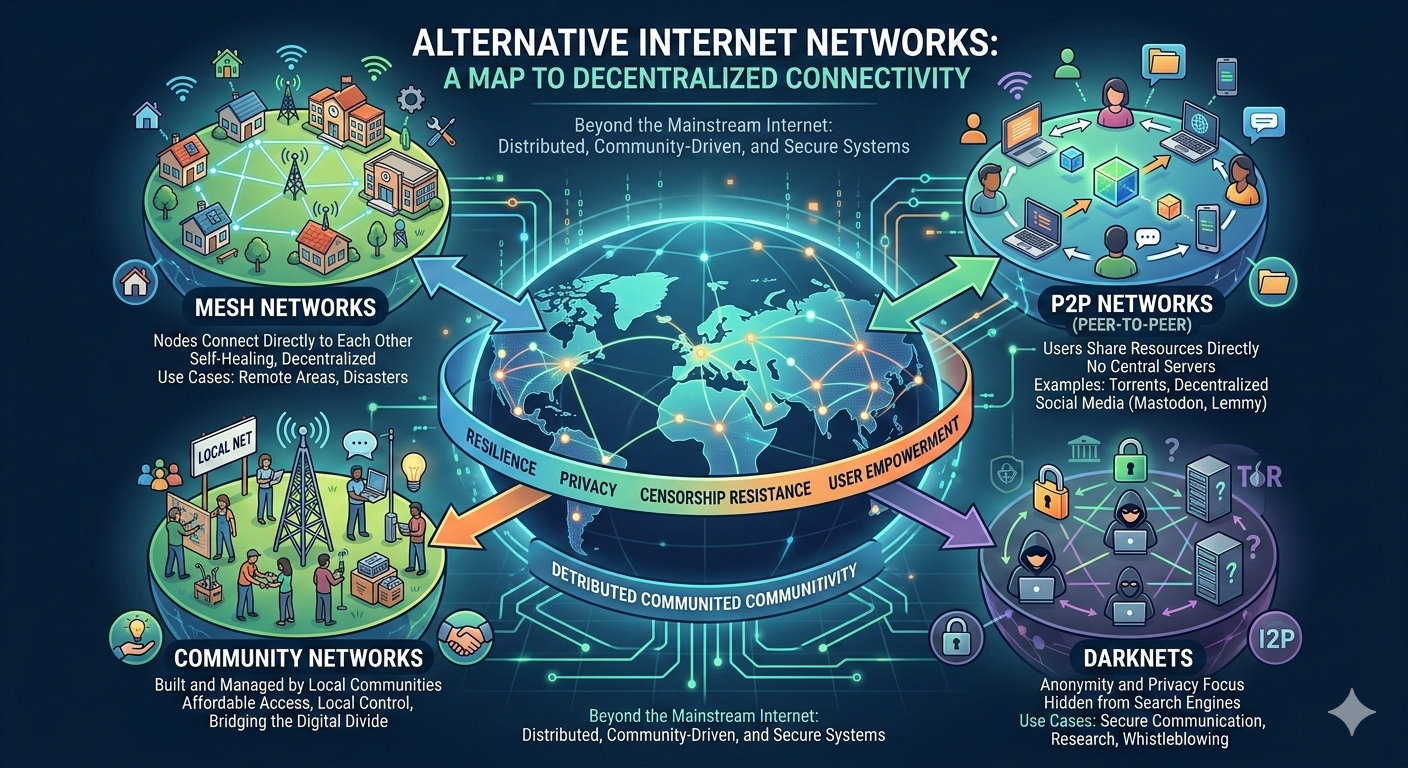
Alternative Internet Networks
The modern internet is a centralized infrastructure dependent on large ISPs, government regulation, and physical cables. However, alternative approaches to building networks offer greater resilience, privacy, or independence from traditional systems.
(more…) -
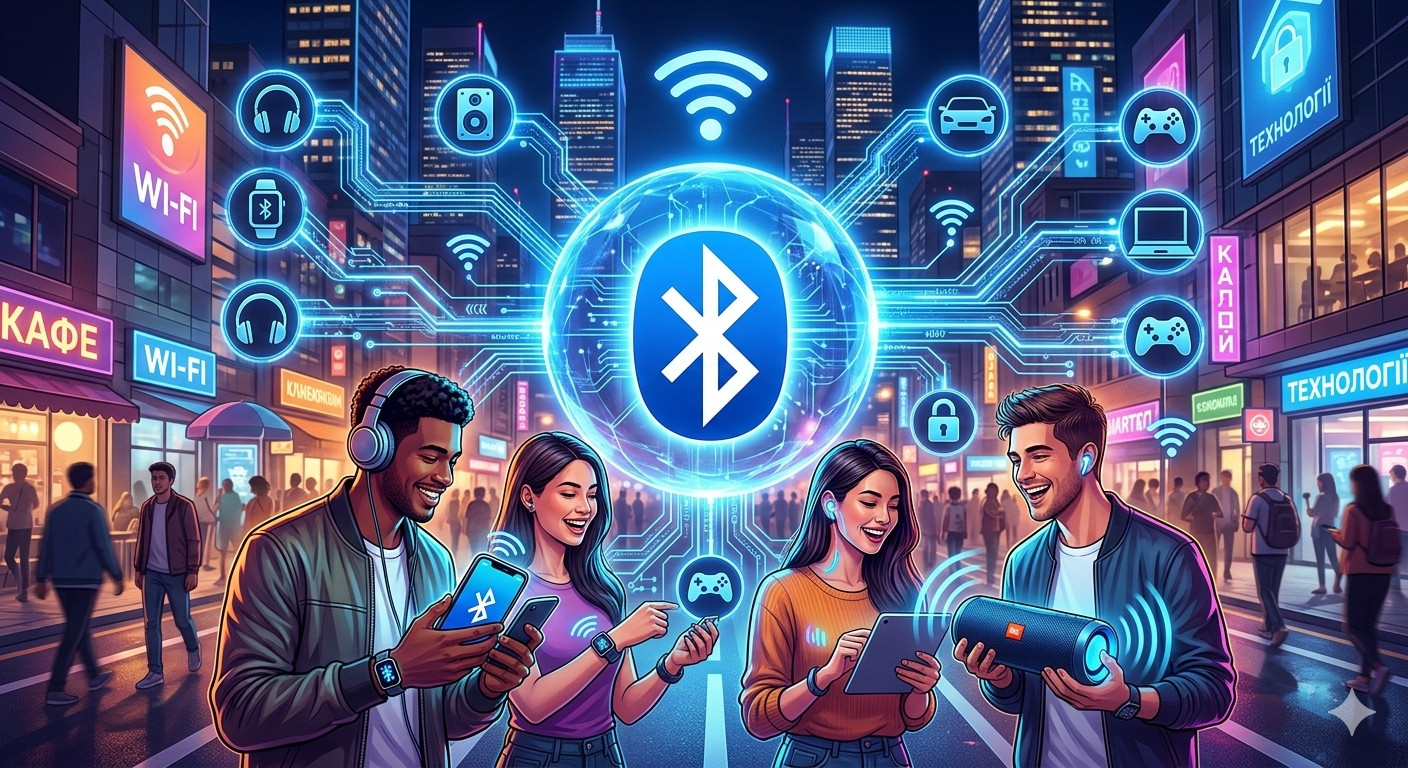
Bluetooth: The Wireless Technology That Connects Our World
Bluetooth is a short-range wireless communication technology that allows devices to exchange data without the need for cables or an internet connection. Operating on the 2.4 GHz radio frequency band, it enables seamless connectivity between smartphones, headphones, keyboards, medical devices, and countless other gadgets.
(more…) -
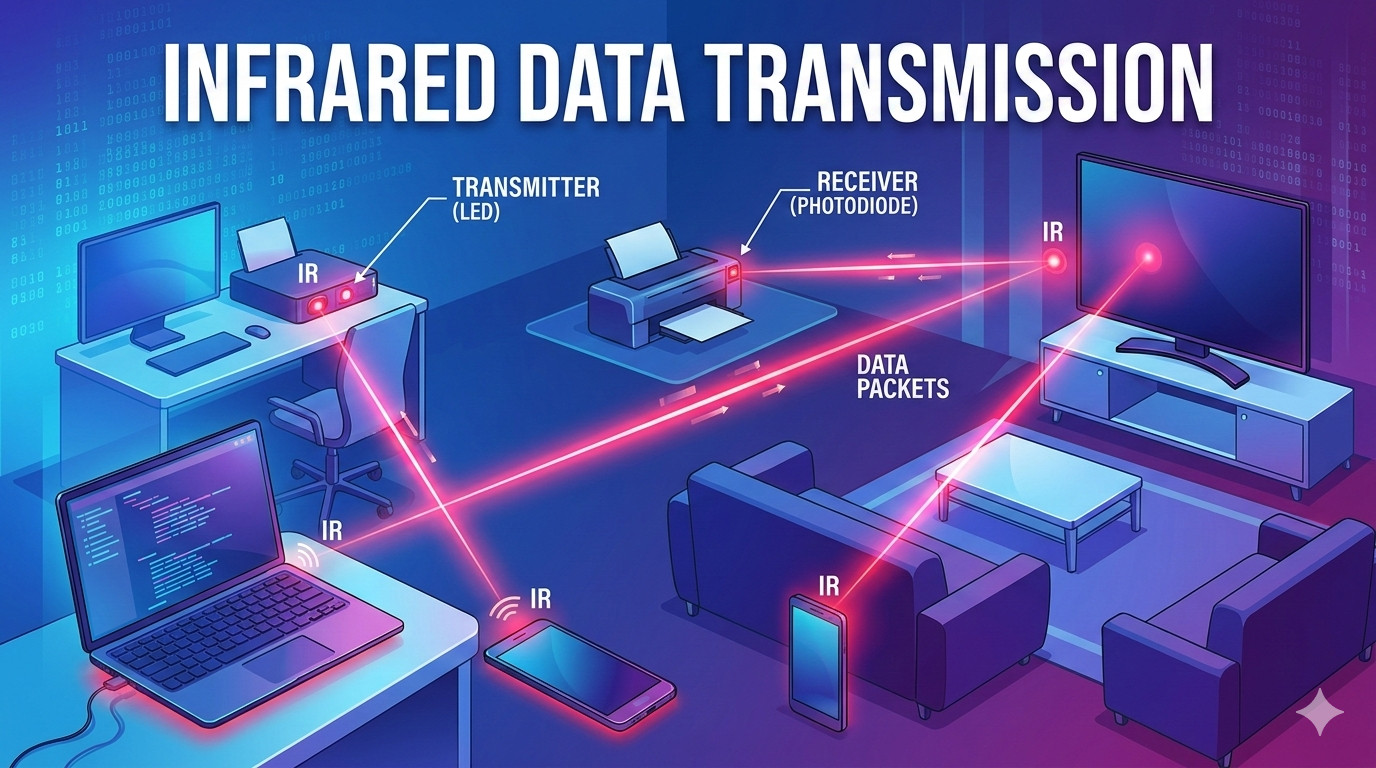
Infrared Data Transmission: Sending Light You Can’t See
Infrared (IR) data transmission is one of the oldest and most elegant wireless communication technologies — invisible to the human eye, yet quietly powering everything from TV remotes to industrial sensors. While it may seem overshadowed by Wi-Fi and Bluetooth today, infrared remains a remarkably capable and reliable technology with a broad range of applications.
(more…) -
IP Addresses: What They Are and How They Work
Every time you open a browser, visit a website, send an email, or stream a video, a complex coordination process takes place behind the scenes between millions of devices around the world. At the heart of this coordination is the IP address — a unique identifier without which the modern internet simply could not exist.
(more…)