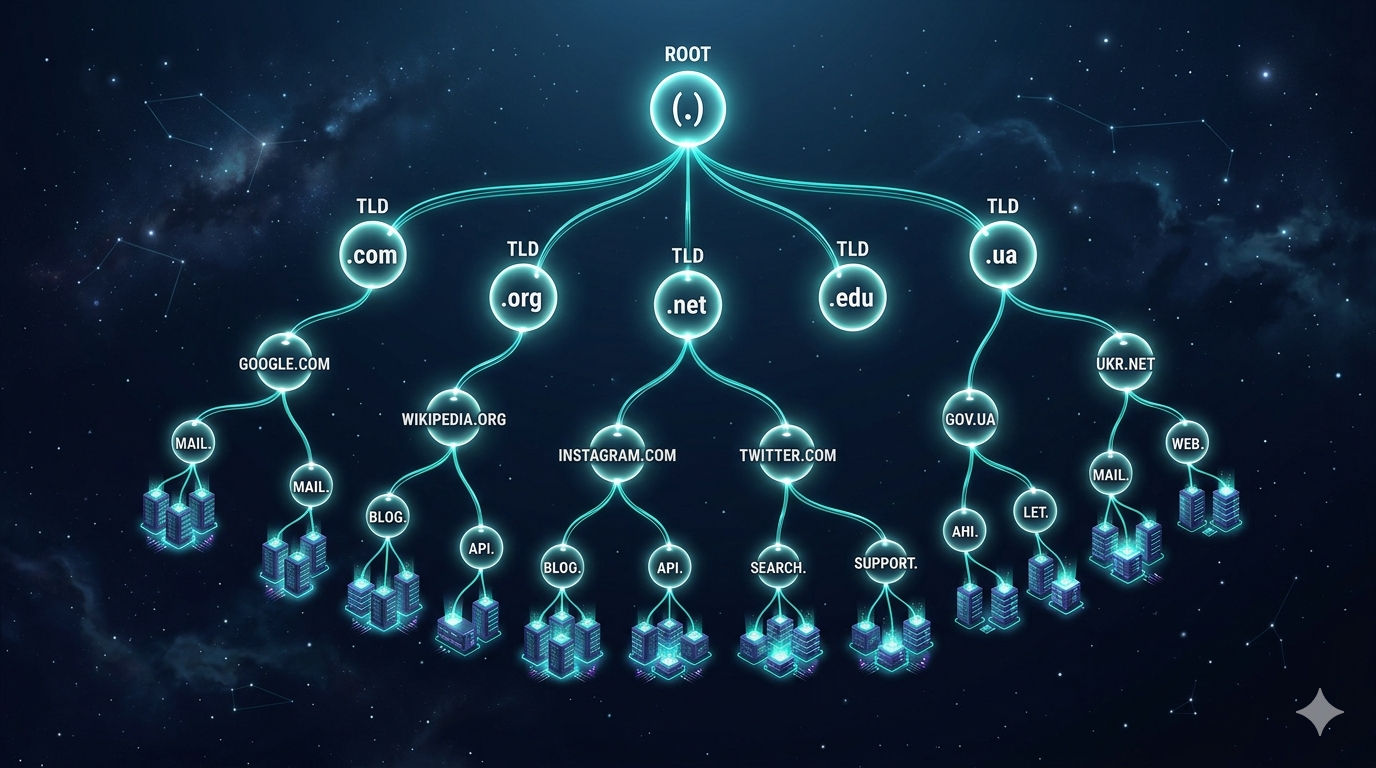
Every time you type a URL into your browser, you’re relying on a system that has been quietly running the internet’s address book for decades. Domain names look simple on the surface — just a few words separated by dots — but behind them lies a layered infrastructure of global organizations, technical protocols, legal frameworks, and business interests. This article breaks down how the whole thing works.
(more…)Tag: network
-
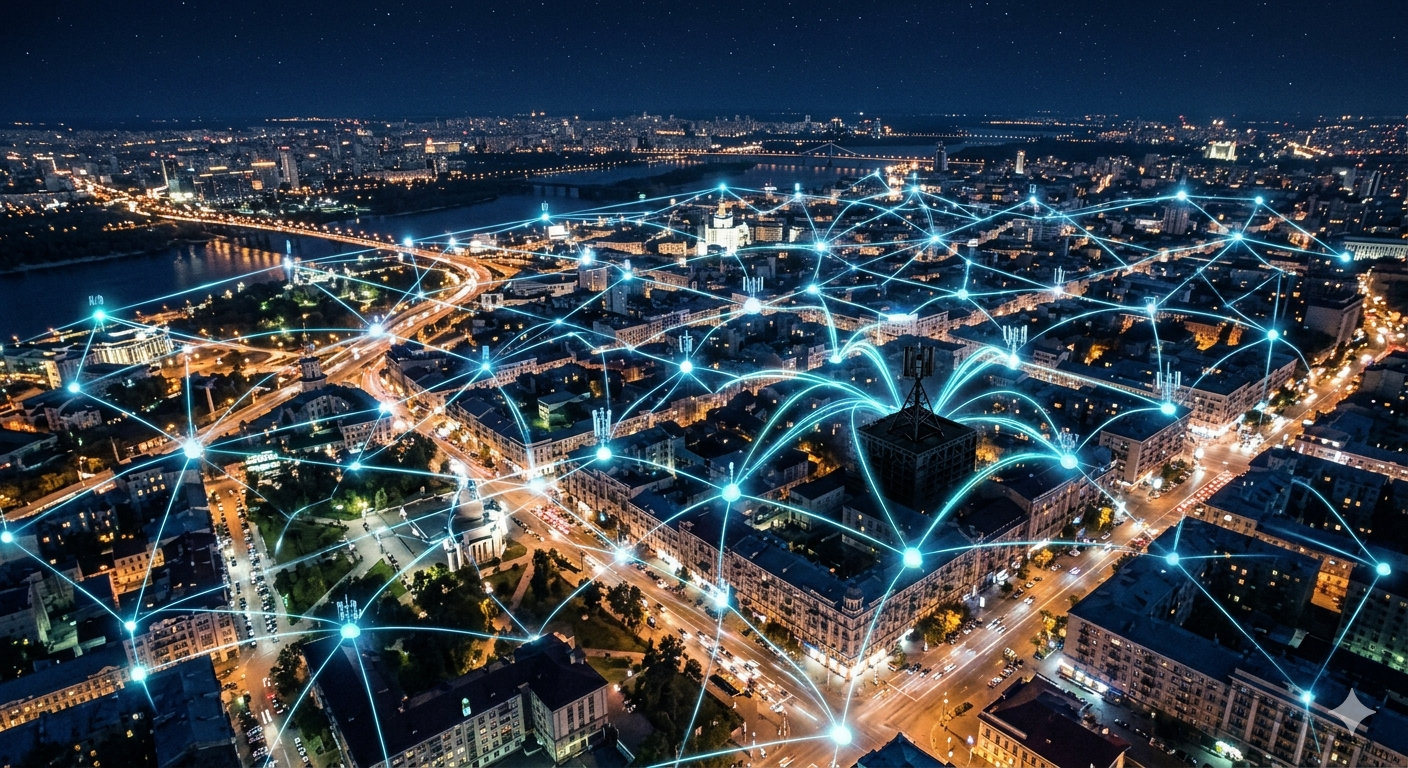
Mesh Networks: How They Work and Why They Matter
The internet, as most of us experience it, follows a simple model: your device connects to a router, the router connects to an ISP, and the ISP routes traffic to the rest of the world. It’s a hub-and-spoke architecture — elegant, efficient, and deeply fragile. Remove the hub, and the spokes go dark.
(more…) -
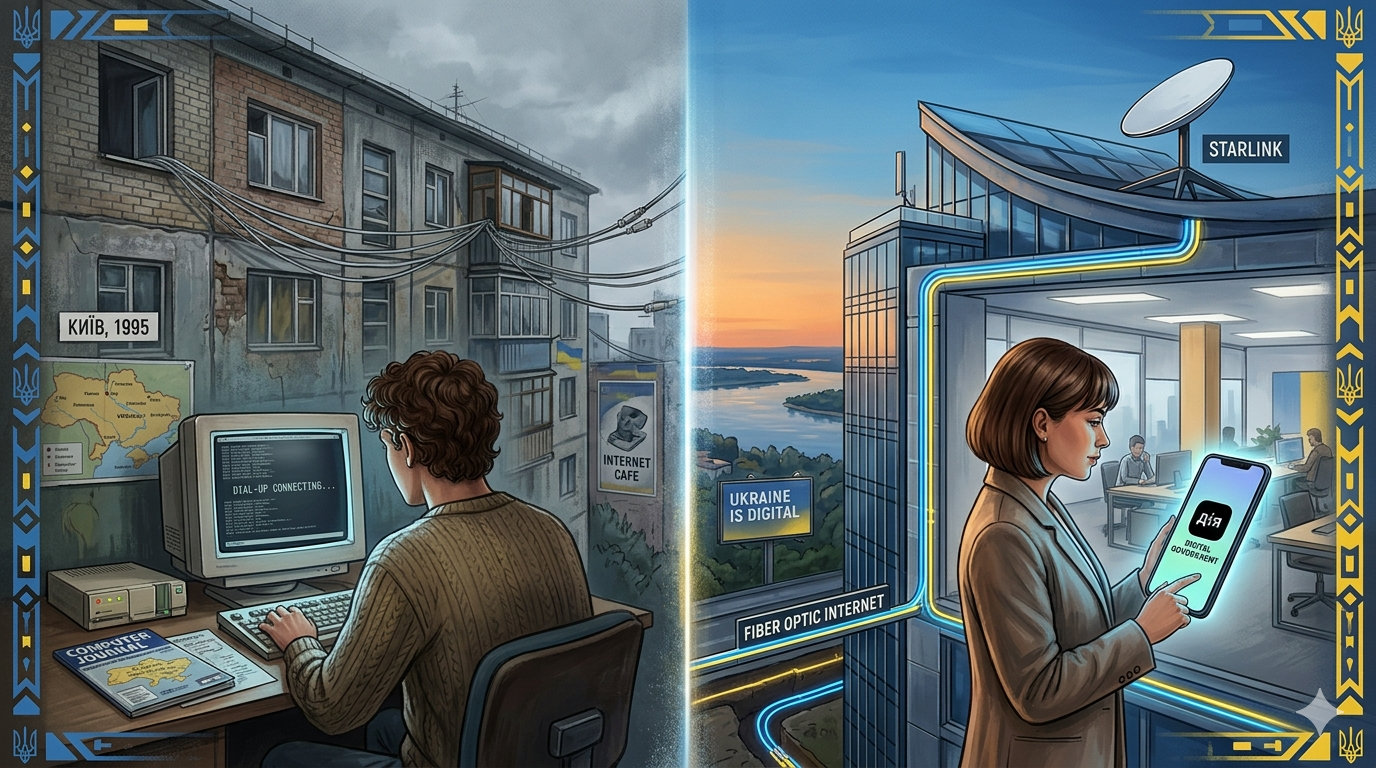
The History of Internet Networks in Ukraine
From Soviet Wires to Fiber Revolution
Ukraine’s journey into the digital age is a story of resilience, rapid adaptation, and remarkable growth. From the first experimental connections in the early 1990s to becoming one of Europe’s most connected nations, the development of internet infrastructure in Ukraine reflects both the country’s post-Soviet transformation and its determination to build a modern technological society.
(more…) -
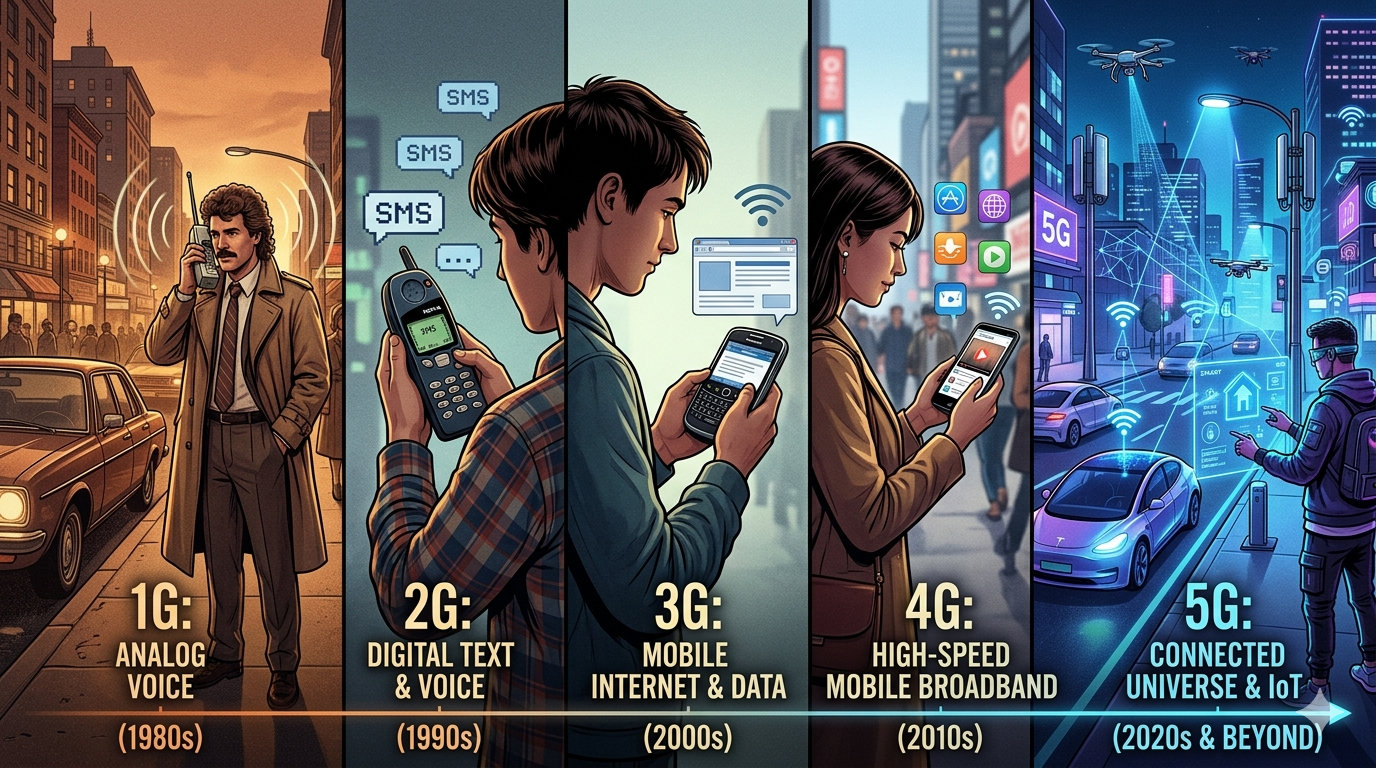
Mobile Networks: From 1G to 5G — A Complete Overview
Mobile communications have transformed human society more profoundly than almost any other technology of the 20th and 21st centuries. What began as a bulky, expensive privilege for a handful of business executives has become a universal infrastructure layer that billions of people rely on every day — for calls, messaging, banking, navigation, entertainment, and increasingly for critical IoT systems. This article traces the evolution of cellular networks from their analog origins to the hyperconnected era of 5G.
(more…) -
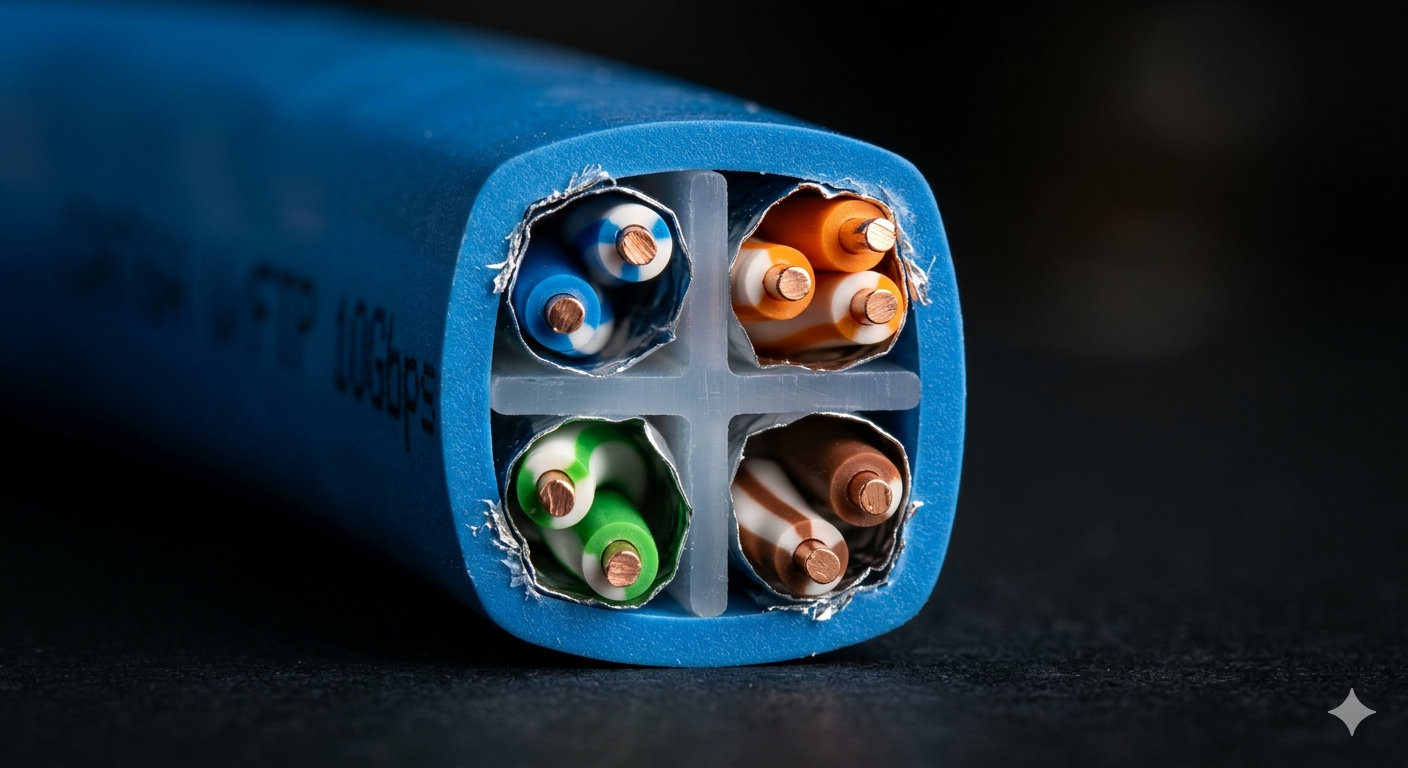
Twisted Pair Cable: From Telephone Lines to Gigabit Networks
A humble twisted wire that connected billions of devices around the world — and still shows no signs of stepping down.
A Brief History
It all started in 1881, when Alexander Graham Bell — yes, the same man who invented the telephone — patented a method of twisting telephone wires together. The problem was straightforward: early telephone lines were run in parallel, and they interfered with each other terribly. Listeners heard noise, fragments of other conversations, and hum from electric lamps. Bell noticed that twisting two wires together dramatically reduced mutual interference.
(more…) -

The Invisible Architecture: How Networks Shape Every Second of Your Digital Life
What happens in the 50 milliseconds between you pressing Enter and a webpage appearing? The answer is one of the most elegant engineering stories ever told.
(more…) -
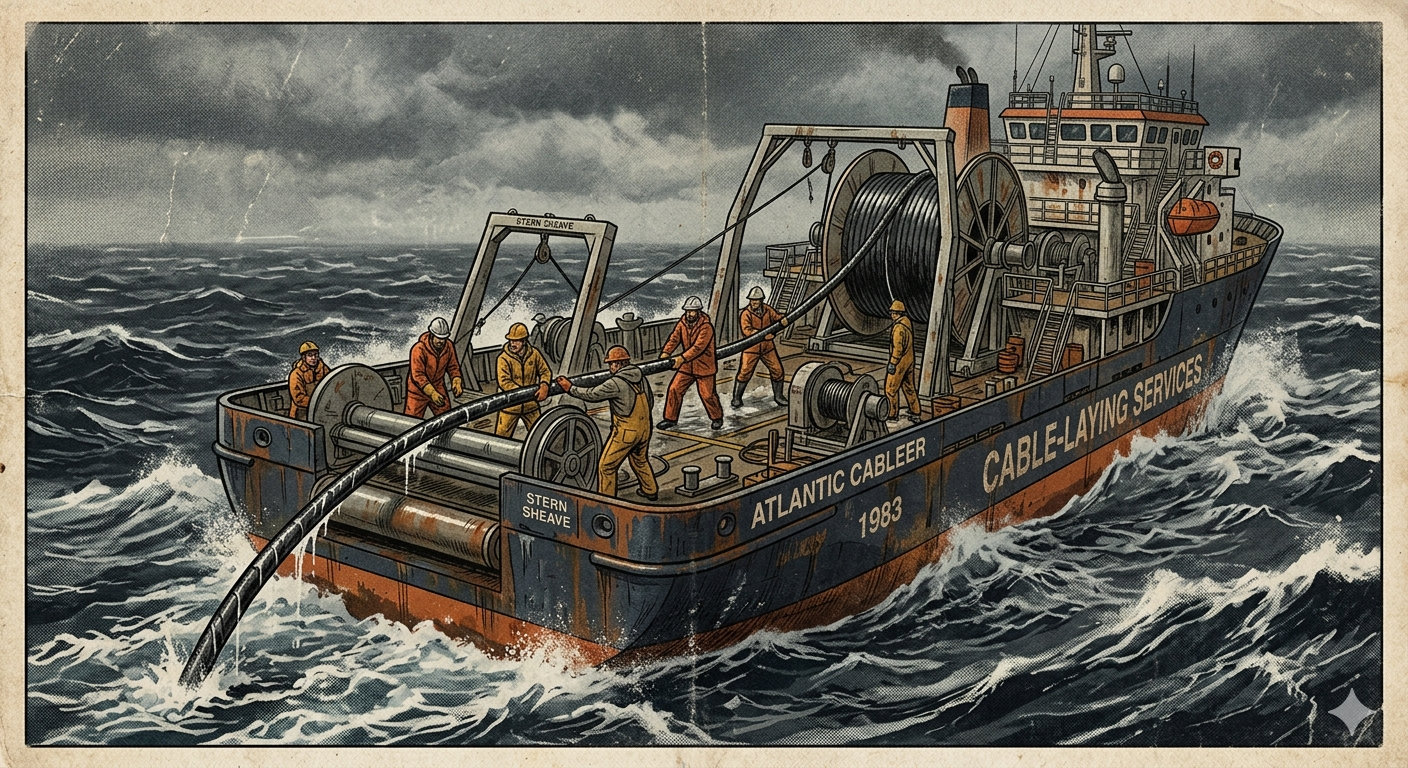
The Cable That Connected Two Worlds: Laying the First Transatlantic Internet Cable
How engineers stretched a wire across 6,000 kilometres of ocean floor — and changed the internet forever.
Before the Wire
In the early 1990s, the internet was growing faster than anyone had anticipated. Universities, research labs, and increasingly — ordinary people — were coming online. But the traffic between Europe and North America still depended on satellite links: expensive, slow, and plagued by the unavoidable physics of signal delay. A round-trip to a geostationary satellite and back takes roughly 600 milliseconds. For email, that was annoying. For real-time communication, it was a wall.
(more…) -

VPN, Firewall, DDoS: What Actually Protects You Online (And What Doesn’t)
A no-nonsense guide to network security for people who don’t want a PhD to understand it.
The Internet Is a Public Road
Every time you open a browser, send a message, or use an app, your data travels across a network that was originally built for scientists to share research — not for billions of people to do their banking.
(more…) -
![Tales from the Network: True(ish) Stories of Internet Chaos [part 2]](https://warion.cc/wp-content/uploads/2026/03/vb5pzcvb5pzcvb5p.jpg)
Tales from the Network: True(ish) Stories of Internet Chaos [part 2]
Story 4: The 90-Meter Rule
A company had a mysterious network problem: one specific desk on the third floor could never get a stable connection. The cable was fine. The port was fine. The switch was fine. The NIC was fine. Everything was fine, but nothing worked.
An old-timer network admin eventually asked: “How long is the cable run from that desk to the patch panel?”
They measured it. It was 97 meters.
Ethernet has a maximum run length of 100 meters.
The desk had been moved — slowly, over the course of several office renovations — further and further from the server room, one meter at a time, across five years, until it quietly and politely fell off the network.
Nobody moved the desk. They just put a switch under it and called it a day.
(more…) -

The Network We Cannot Yet Imagine
There is something quietly strange about the internet. We use it constantly, we depend on it for almost everything, and yet most of us have no idea what it actually is — not the physical reality of it, the cables running along ocean floors, the data centers humming in the desert, the radio waves bouncing between towers and satellites and the small rectangles in our pockets. We interact with a surface, a kind of polished interface on top of an enormous, aging, and deeply complicated machine. And that machine is changing in ways that are hard to fully grasp, even for the people building it.
(more…)