
The internet, as most of us experience it, follows a simple model: your device connects to a router, the router connects to an ISP, and the ISP routes traffic to the rest of the world. It’s a hub-and-spoke architecture — elegant, efficient, and deeply fragile. Remove the hub, and the spokes go dark.
(more…)Tag: technology
-
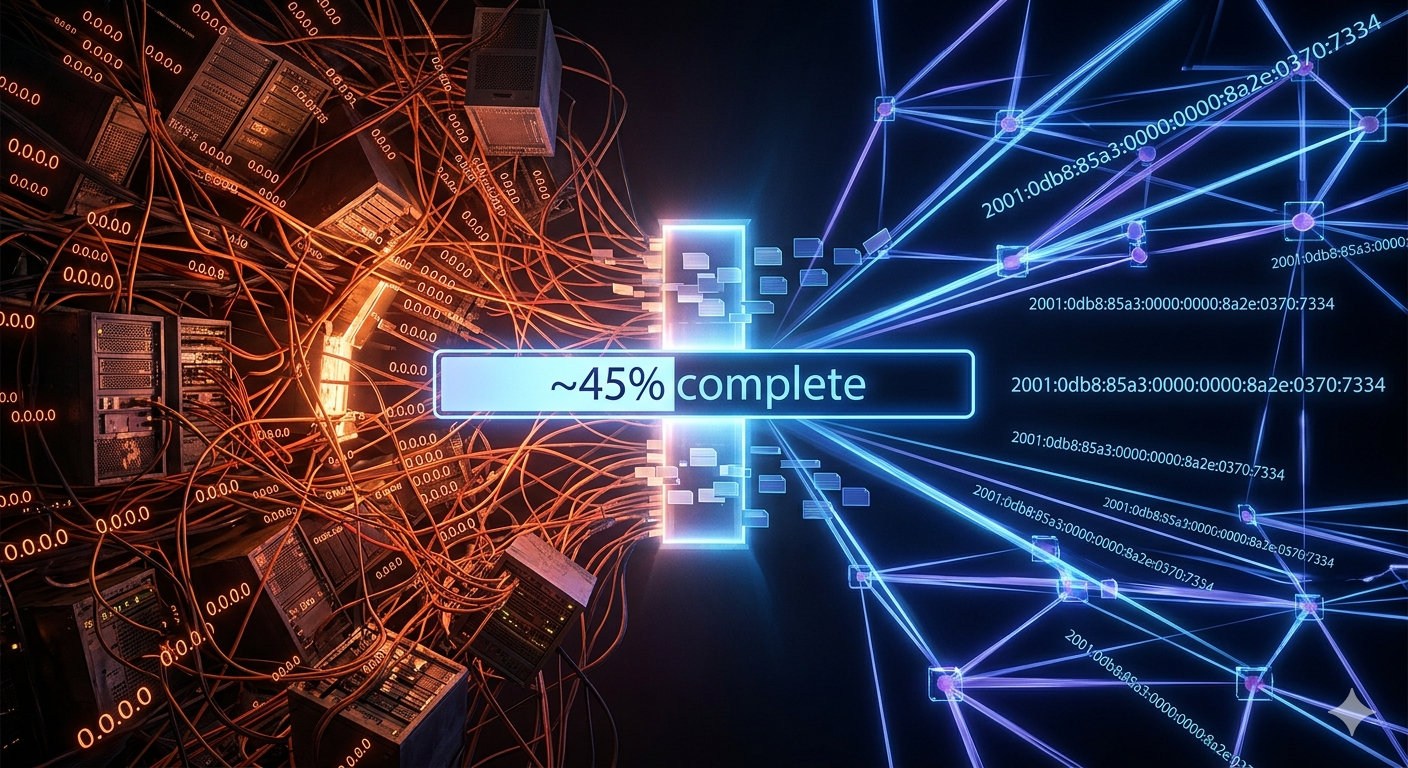
IPv6: Why the Transition Is Still Incomplete — and What Lies Ahead
The internet has been “running out of addresses” for decades. The fix has existed since 1998. So why are we still not done?
The Problem That Was Supposed to Be Solved by Now
IPv4, the addressing protocol that underpins the modern internet, was designed in 1981 with a pool of roughly 4.3 billion addresses. At the time, that seemed infinite. By the early 1990s, it was clear it wasn’t.
IPv6 was standardized by the IETF in 1998 (RFC 2460), offering a staggering 340 undecillion addresses — enough for every atom on Earth’s surface to have its own IP. The plan was straightforward: migrate, deprecate IPv4, move on.
It is now 2026. IPv4 is still the dominant protocol. The transition is, generously, about halfway done.
This is a story about technical debt, economic incentives, human inertia, and one of the most complex infrastructure migrations in computing history.
(more…) -
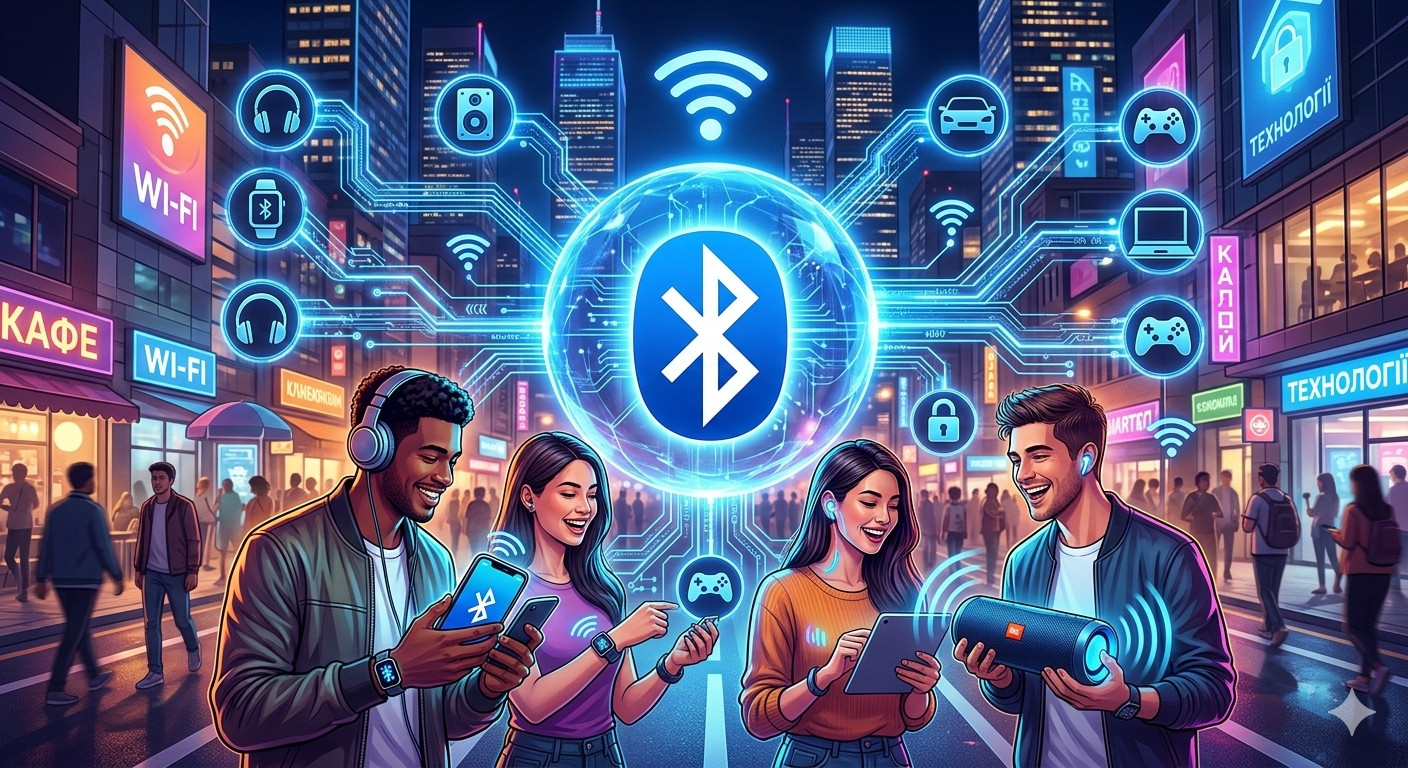
Bluetooth: The Wireless Technology That Connects Our World
Bluetooth is a short-range wireless communication technology that allows devices to exchange data without the need for cables or an internet connection. Operating on the 2.4 GHz radio frequency band, it enables seamless connectivity between smartphones, headphones, keyboards, medical devices, and countless other gadgets.
(more…) -
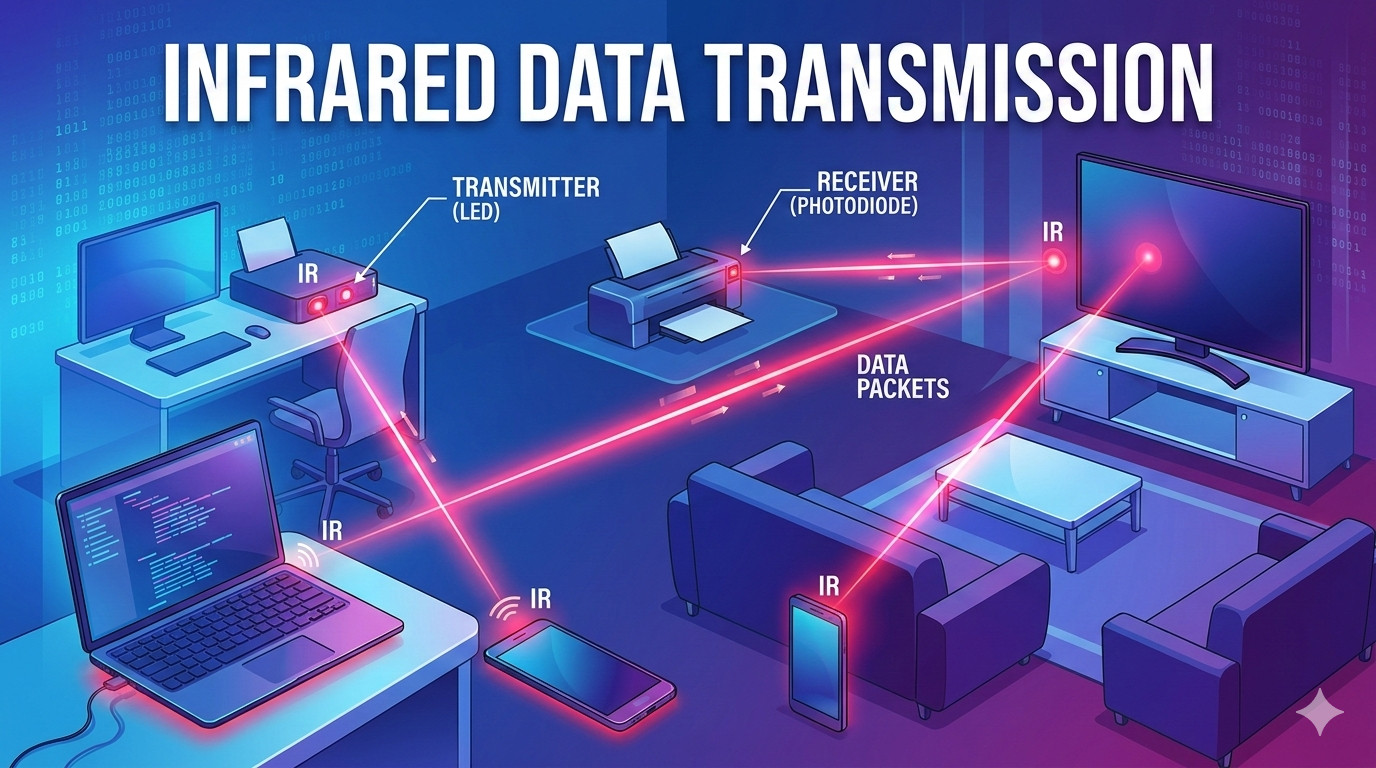
Infrared Data Transmission: Sending Light You Can’t See
Infrared (IR) data transmission is one of the oldest and most elegant wireless communication technologies — invisible to the human eye, yet quietly powering everything from TV remotes to industrial sensors. While it may seem overshadowed by Wi-Fi and Bluetooth today, infrared remains a remarkably capable and reliable technology with a broad range of applications.
(more…) -
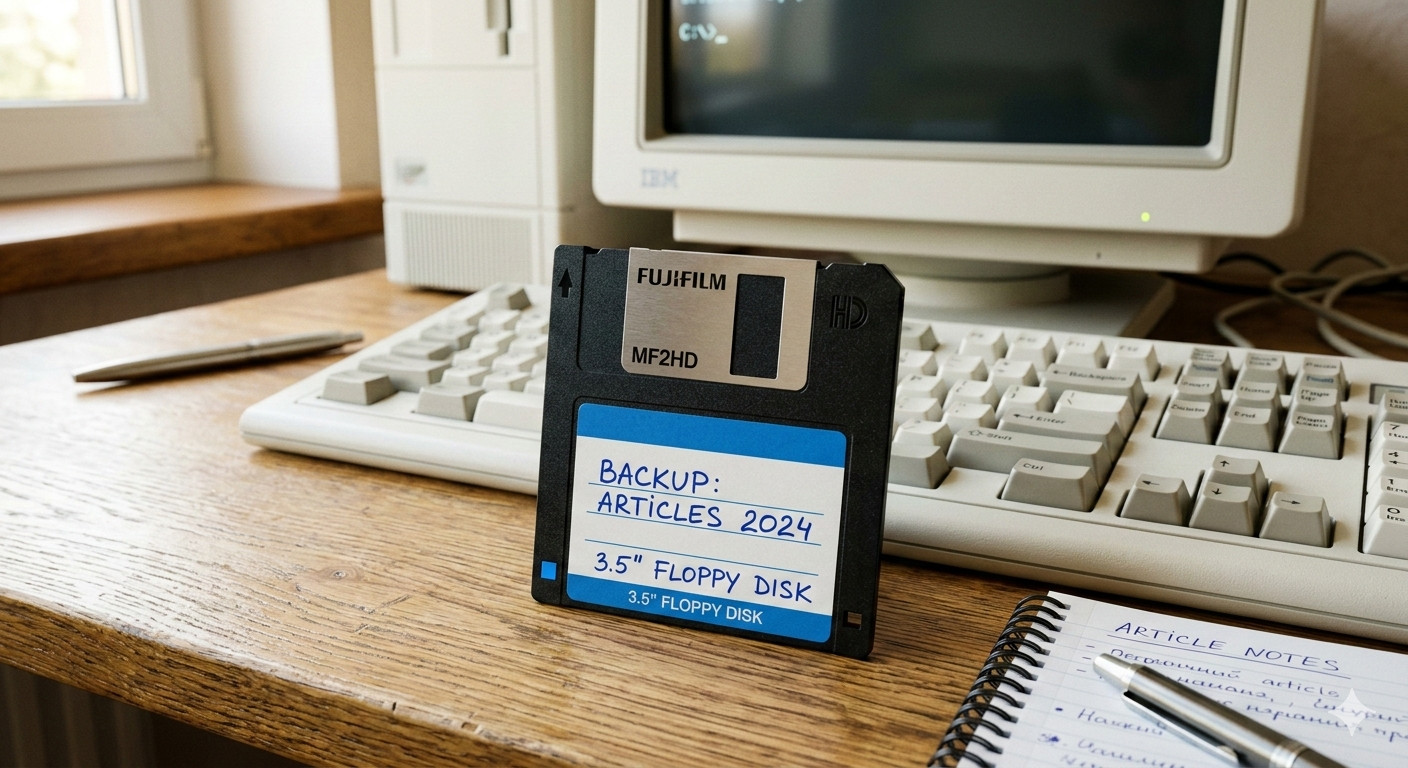
The 3.5-Inch Floppy Disk: A Small Square That Changed Computing
Before USB drives, cloud storage, and email attachments, there was the floppy disk. The 3.5-inch floppy disk, introduced in the early 1980s, became one of the most iconic and widely used data storage media of the 20th century. Though largely obsolete today, it left a lasting mark on computing history — and its silhouette lives on as the universal “Save” icon.
(more…)