(more…)How the backbone of the web went from a simple text protocol to a blazing-fast, multiplexed, encrypted-by-default communication layer.
Tag: history
-
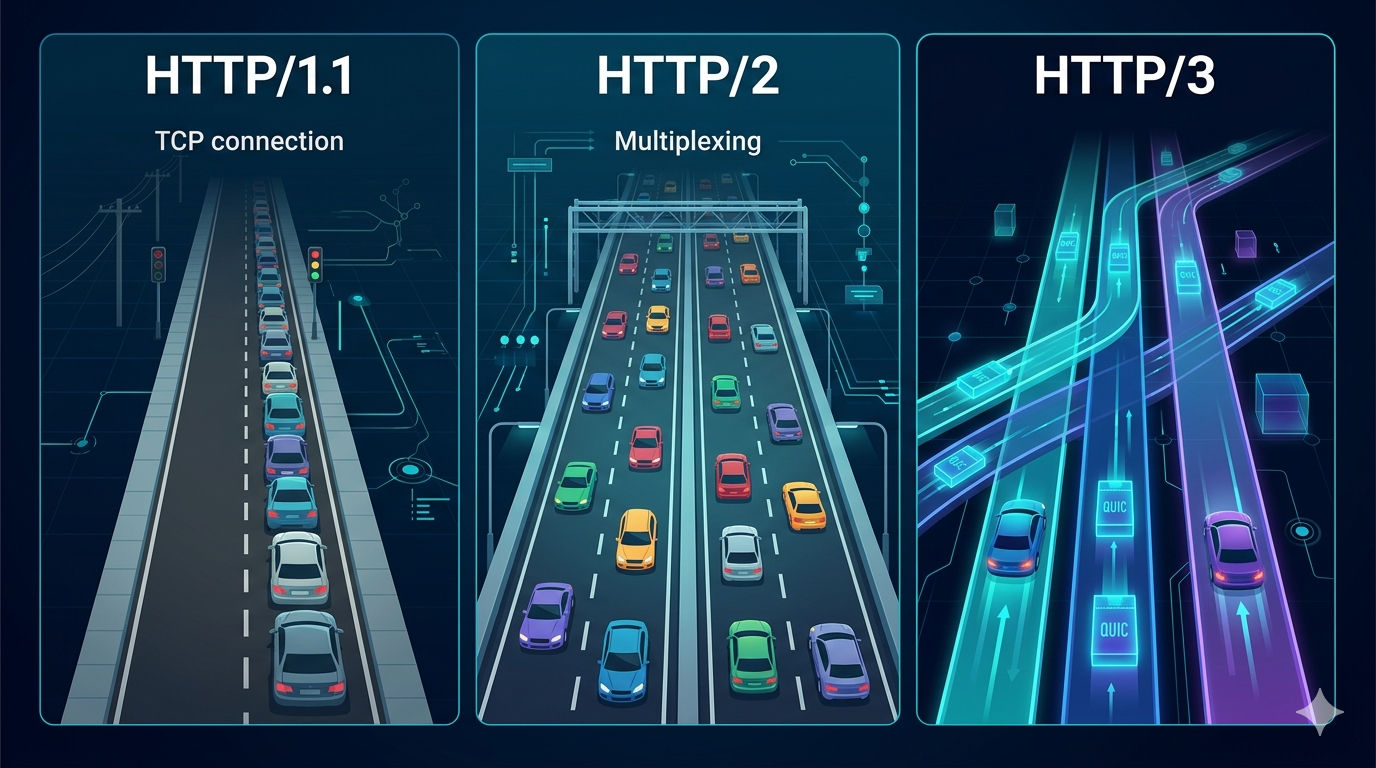
HTTP/1.1 vs HTTP/2 vs HTTP/3 — The Evolution of the Protocol
-

Dial-Up Internet: The Screeching Gateway to the Digital World
How a telephone line connected a generation to the internet — and why it still matters
Before fiber optics, before Wi-Fi, before broadband became a household word, there was dial-up. For most of the 1990s and early 2000s, the ritual was the same: sit down at a beige desktop computer, open a browser, and wait. Wait for the modem to wake up. Wait for the phone line to negotiate. Wait for that unmistakable cacophony of screeches, hisses, and static — the handshake that meant you were, at last, online.
(more…) -
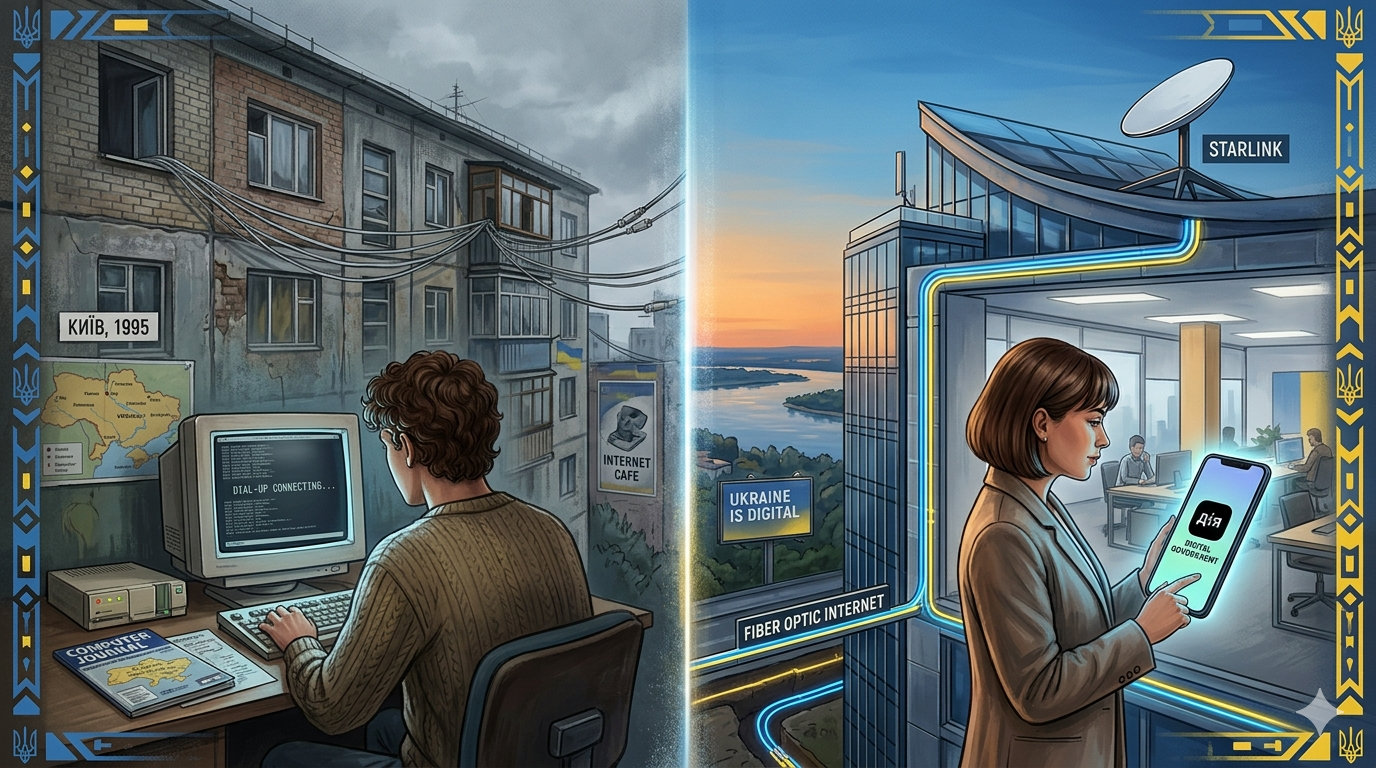
The History of Internet Networks in Ukraine
From Soviet Wires to Fiber Revolution
Ukraine’s journey into the digital age is a story of resilience, rapid adaptation, and remarkable growth. From the first experimental connections in the early 1990s to becoming one of Europe’s most connected nations, the development of internet infrastructure in Ukraine reflects both the country’s post-Soviet transformation and its determination to build a modern technological society.
(more…) -
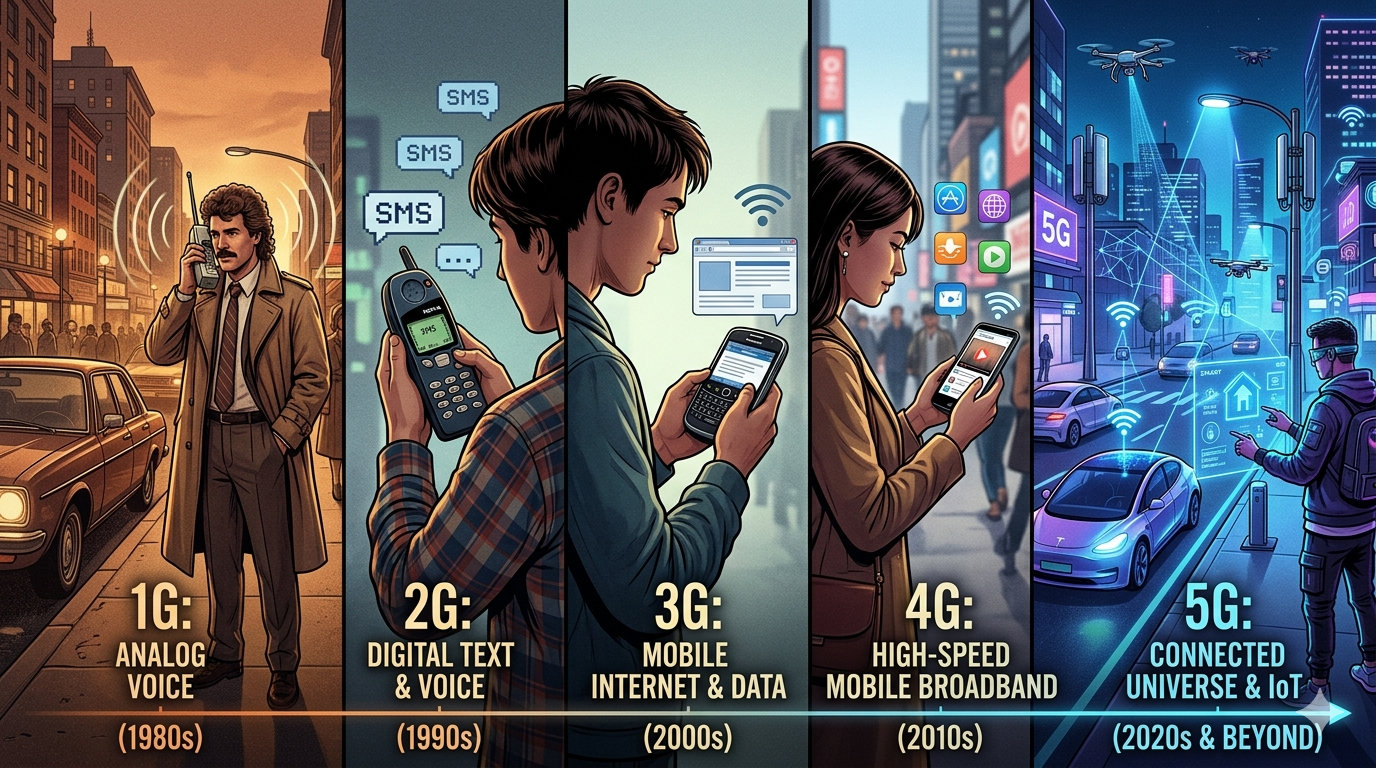
Mobile Networks: From 1G to 5G — A Complete Overview
Mobile communications have transformed human society more profoundly than almost any other technology of the 20th and 21st centuries. What began as a bulky, expensive privilege for a handful of business executives has become a universal infrastructure layer that billions of people rely on every day — for calls, messaging, banking, navigation, entertainment, and increasingly for critical IoT systems. This article traces the evolution of cellular networks from their analog origins to the hyperconnected era of 5G.
(more…) -
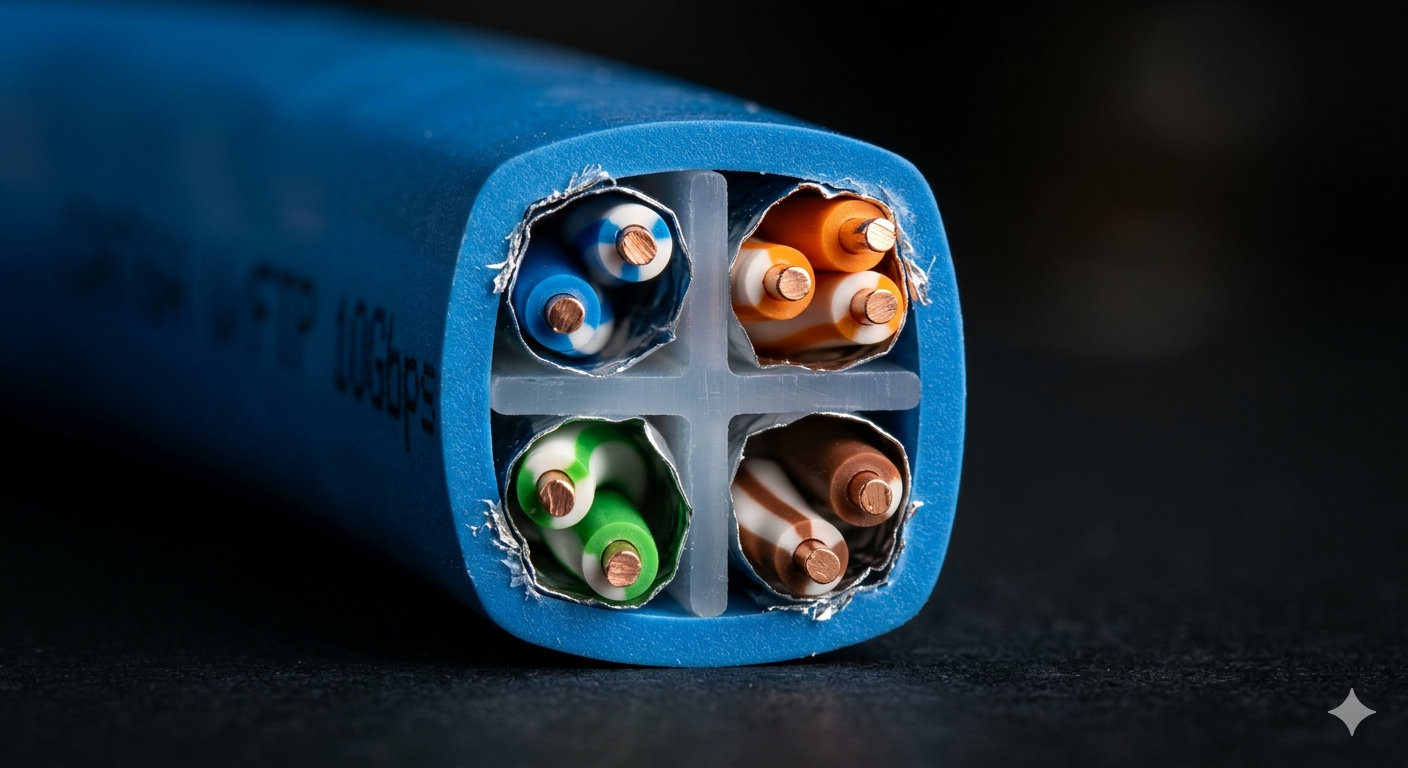
Twisted Pair Cable: From Telephone Lines to Gigabit Networks
A humble twisted wire that connected billions of devices around the world — and still shows no signs of stepping down.
A Brief History
It all started in 1881, when Alexander Graham Bell — yes, the same man who invented the telephone — patented a method of twisting telephone wires together. The problem was straightforward: early telephone lines were run in parallel, and they interfered with each other terribly. Listeners heard noise, fragments of other conversations, and hum from electric lamps. Bell noticed that twisting two wires together dramatically reduced mutual interference.
(more…) -
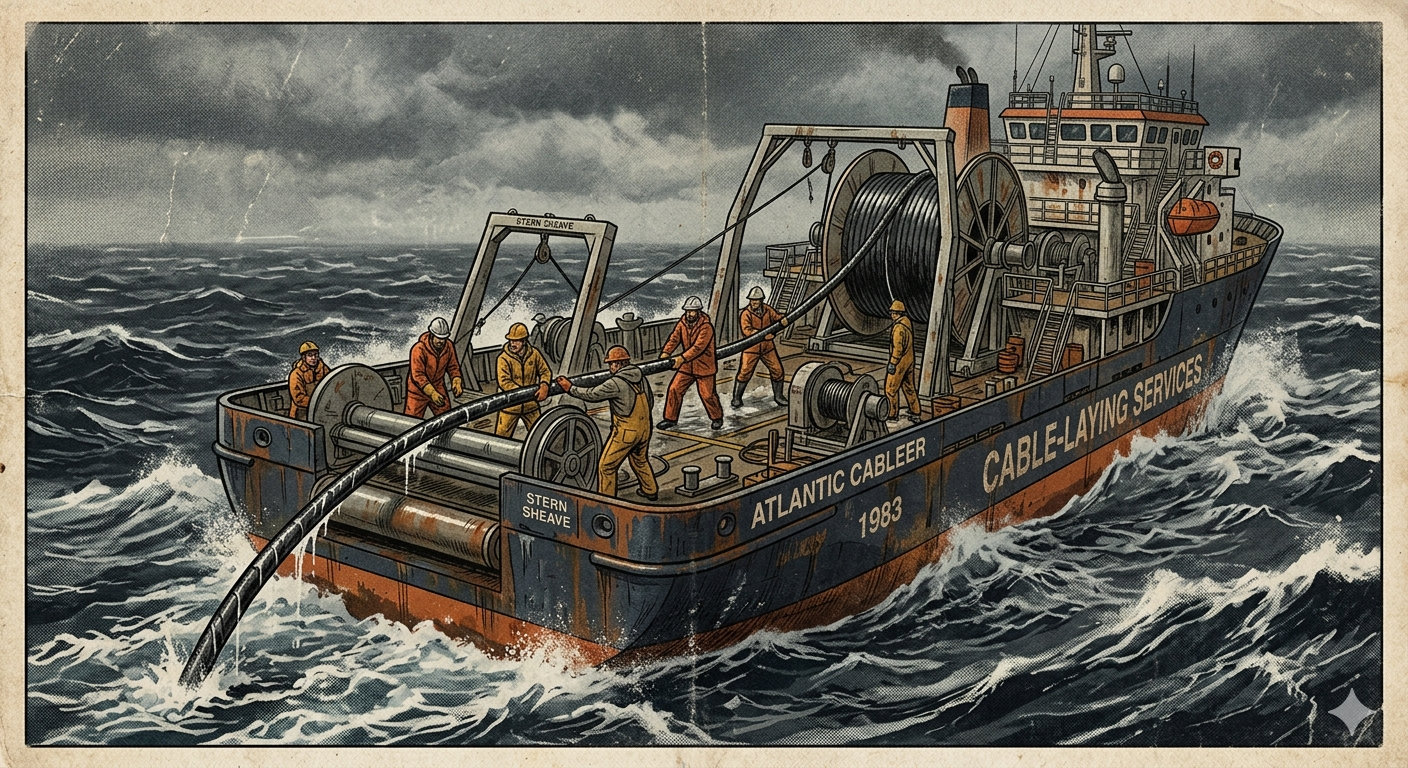
The Cable That Connected Two Worlds: Laying the First Transatlantic Internet Cable
How engineers stretched a wire across 6,000 kilometres of ocean floor — and changed the internet forever.
Before the Wire
In the early 1990s, the internet was growing faster than anyone had anticipated. Universities, research labs, and increasingly — ordinary people — were coming online. But the traffic between Europe and North America still depended on satellite links: expensive, slow, and plagued by the unavoidable physics of signal delay. A round-trip to a geostationary satellite and back takes roughly 600 milliseconds. For email, that was annoying. For real-time communication, it was a wall.
(more…) -
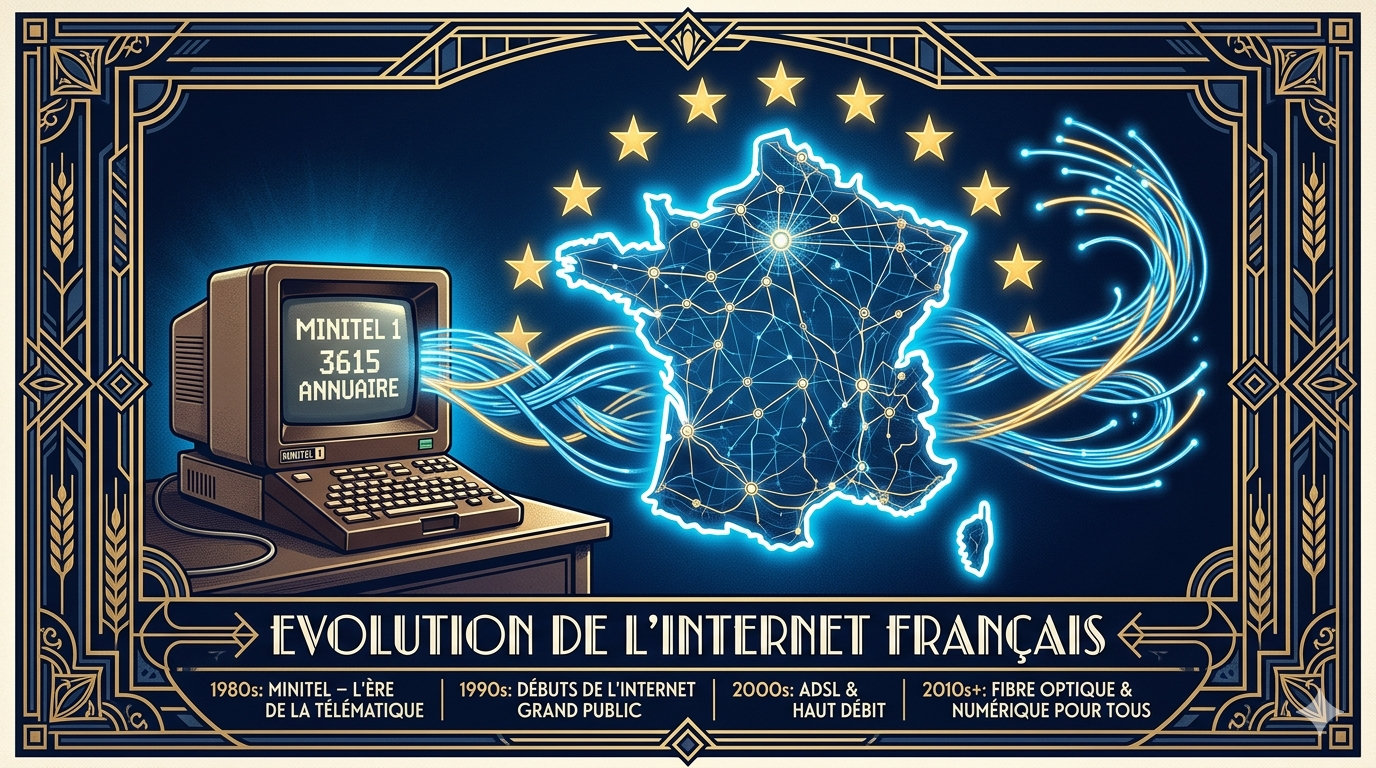
France’s Own Internet: From Minitel to Digital Sovereignty
How a nation that invented the pre-web built its own rules for the network age
Before the Web, There Was Minitel
In 1982, while most of the world was still figuring out what a modem was, France launched something remarkable: Minitel. Operated by France Télécom under the state’s Direction Générale des Télécommunications, Minitel was a nationwide videotex network that gave French households a terminal, a phone line, and access to an online world — over a decade before the World Wide Web existed.
(more…) -
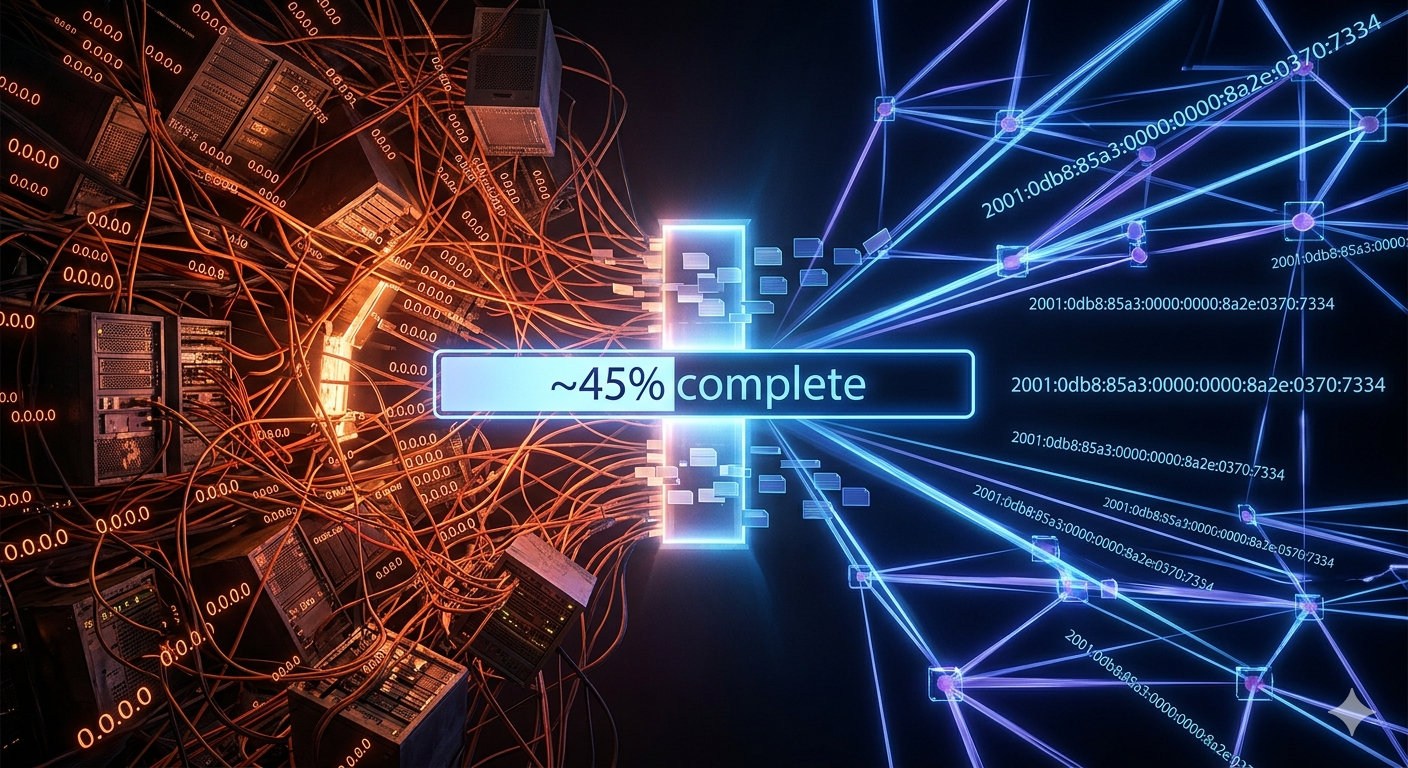
IPv6: Why the Transition Is Still Incomplete — and What Lies Ahead
The internet has been “running out of addresses” for decades. The fix has existed since 1998. So why are we still not done?
The Problem That Was Supposed to Be Solved by Now
IPv4, the addressing protocol that underpins the modern internet, was designed in 1981 with a pool of roughly 4.3 billion addresses. At the time, that seemed infinite. By the early 1990s, it was clear it wasn’t.
IPv6 was standardized by the IETF in 1998 (RFC 2460), offering a staggering 340 undecillion addresses — enough for every atom on Earth’s surface to have its own IP. The plan was straightforward: migrate, deprecate IPv4, move on.
It is now 2026. IPv4 is still the dominant protocol. The transition is, generously, about halfway done.
This is a story about technical debt, economic incentives, human inertia, and one of the most complex infrastructure migrations in computing history.
(more…) -
BGP — The Protocol That Holds the Internet Together
You use it every time you open a browser. You’ve probably never heard of it. And when it breaks, the internet breaks.
Introduction
The internet is not a single network. It’s a vast, chaotic collection of tens of thousands of independent networks — run by ISPs, universities, corporations, cloud providers, and governments — all somehow agreeing to talk to each other. What makes this possible? A single routing protocol called BGP: the Border Gateway Protocol.
(more…) -
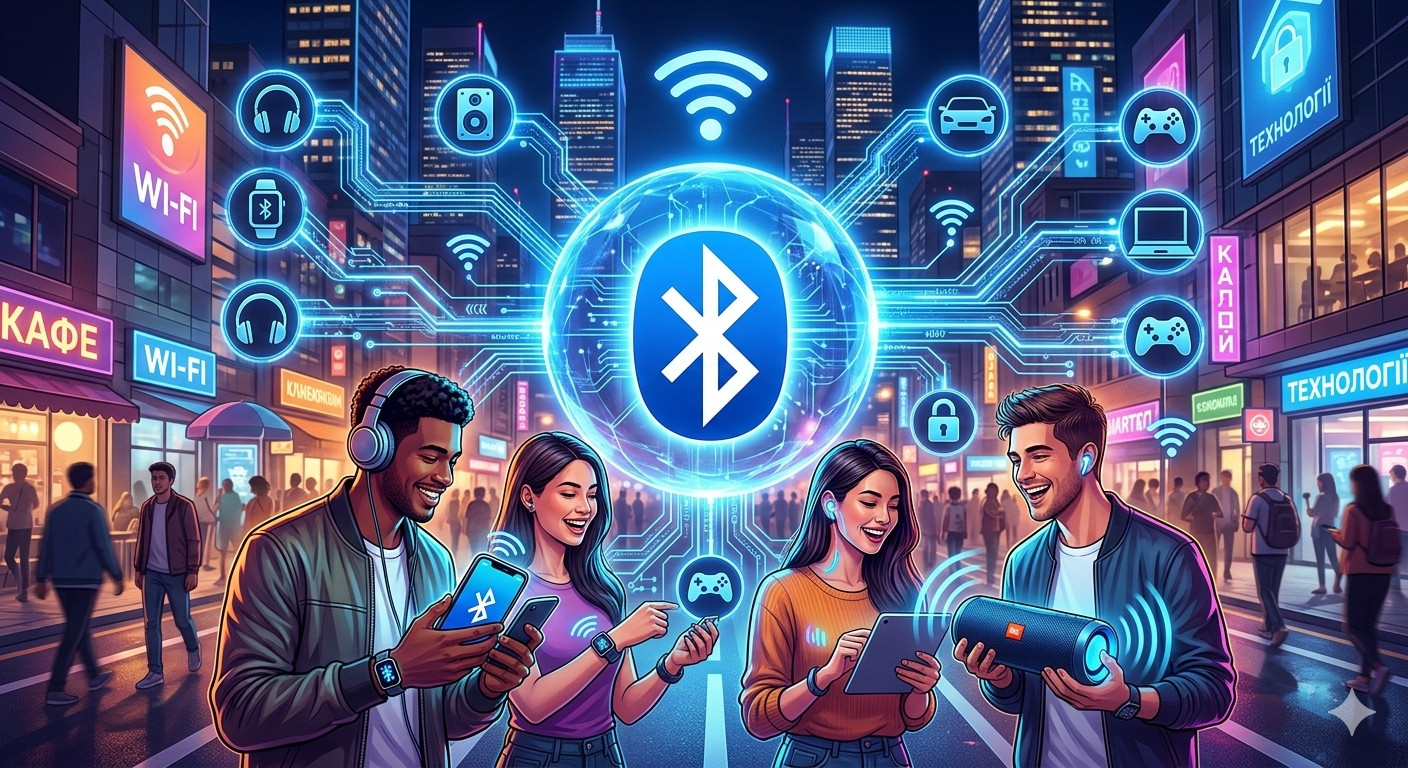
Bluetooth: The Wireless Technology That Connects Our World
Bluetooth is a short-range wireless communication technology that allows devices to exchange data without the need for cables or an internet connection. Operating on the 2.4 GHz radio frequency band, it enables seamless connectivity between smartphones, headphones, keyboards, medical devices, and countless other gadgets.
(more…)