(more…)How the backbone of the web went from a simple text protocol to a blazing-fast, multiplexed, encrypted-by-default communication layer.
Category: History
-
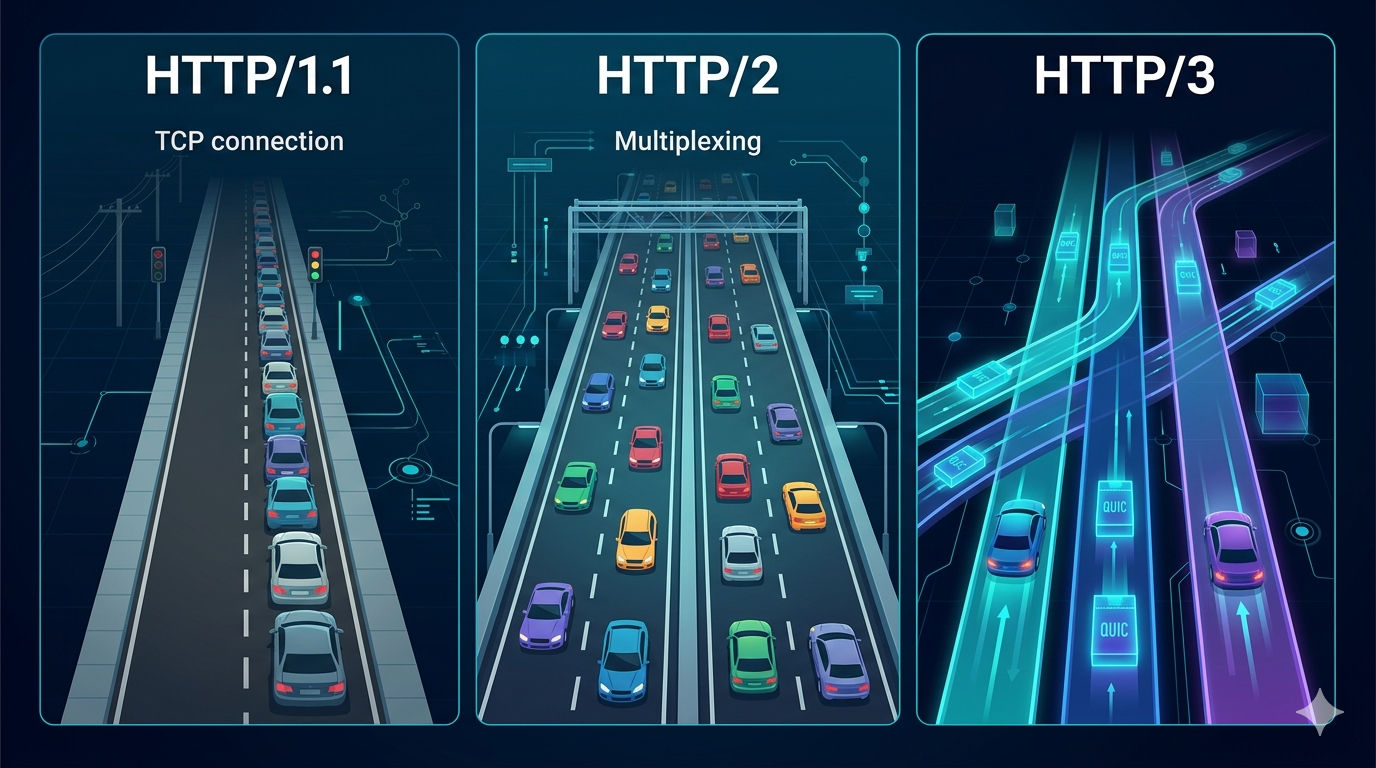
HTTP/1.1 vs HTTP/2 vs HTTP/3 — The Evolution of the Protocol
-
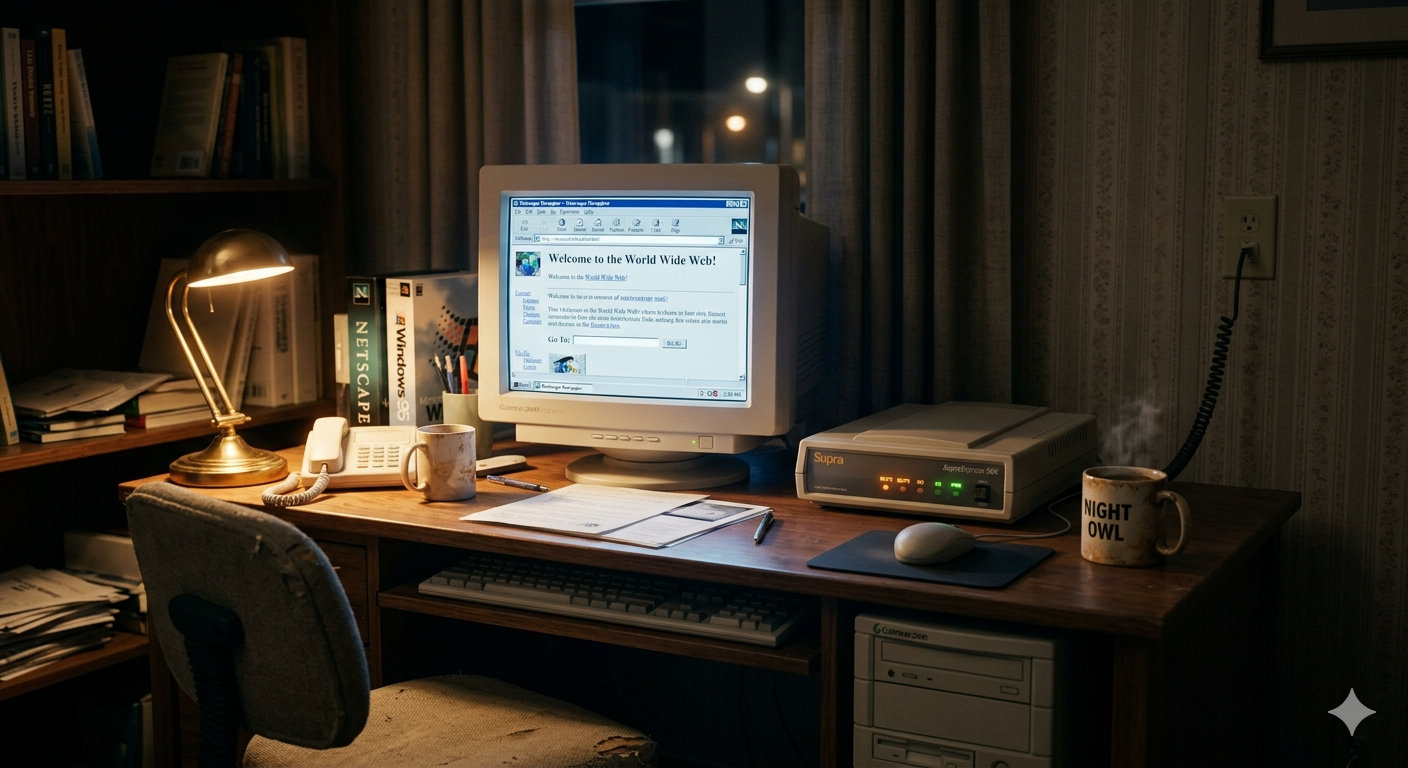
Dial-Up Internet: The Screeching Gateway to the Digital World
How a telephone line connected a generation to the internet — and why it still matters
Before fiber optics, before Wi-Fi, before broadband became a household word, there was dial-up. For most of the 1990s and early 2000s, the ritual was the same: sit down at a beige desktop computer, open a browser, and wait. Wait for the modem to wake up. Wait for the phone line to negotiate. Wait for that unmistakable cacophony of screeches, hisses, and static — the handshake that meant you were, at last, online.
(more…) -
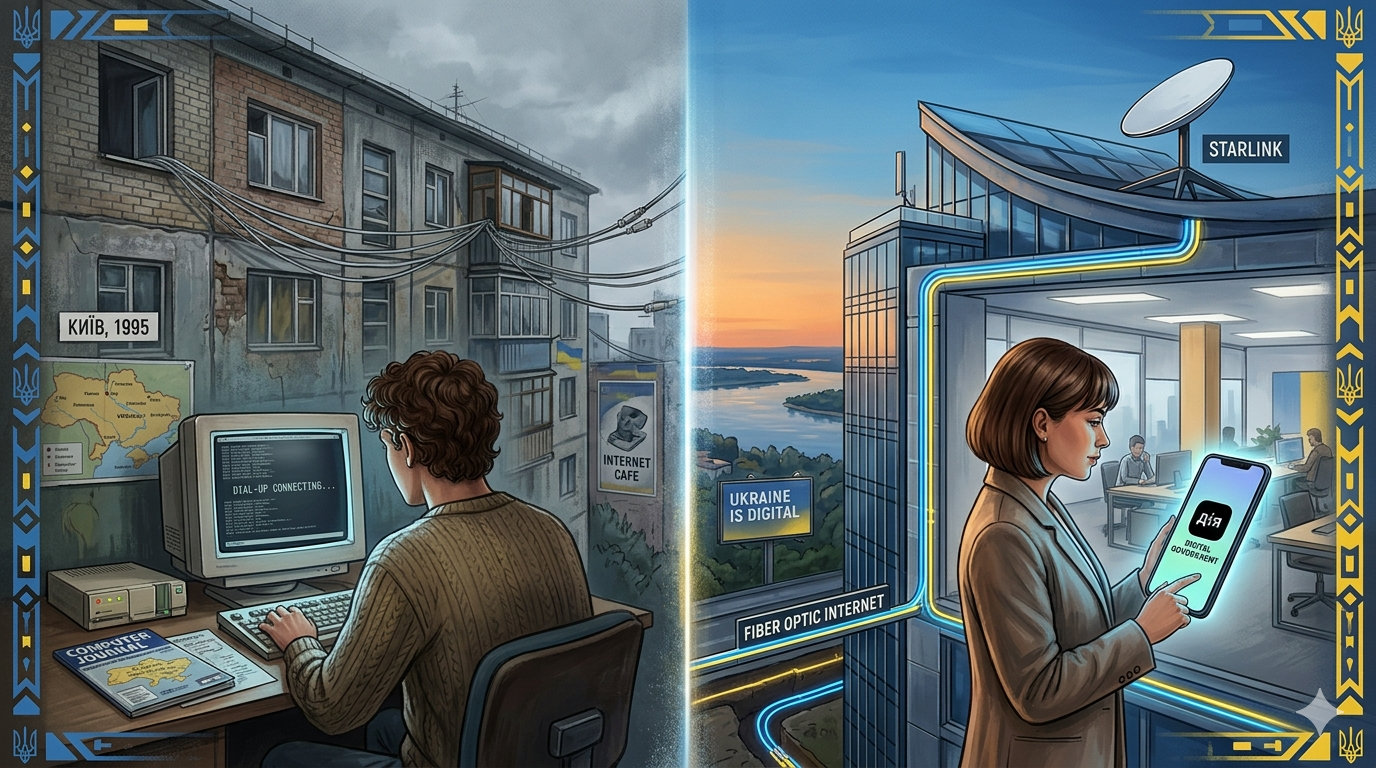
The History of Internet Networks in Ukraine
From Soviet Wires to Fiber Revolution
Ukraine’s journey into the digital age is a story of resilience, rapid adaptation, and remarkable growth. From the first experimental connections in the early 1990s to becoming one of Europe’s most connected nations, the development of internet infrastructure in Ukraine reflects both the country’s post-Soviet transformation and its determination to build a modern technological society.
(more…) -
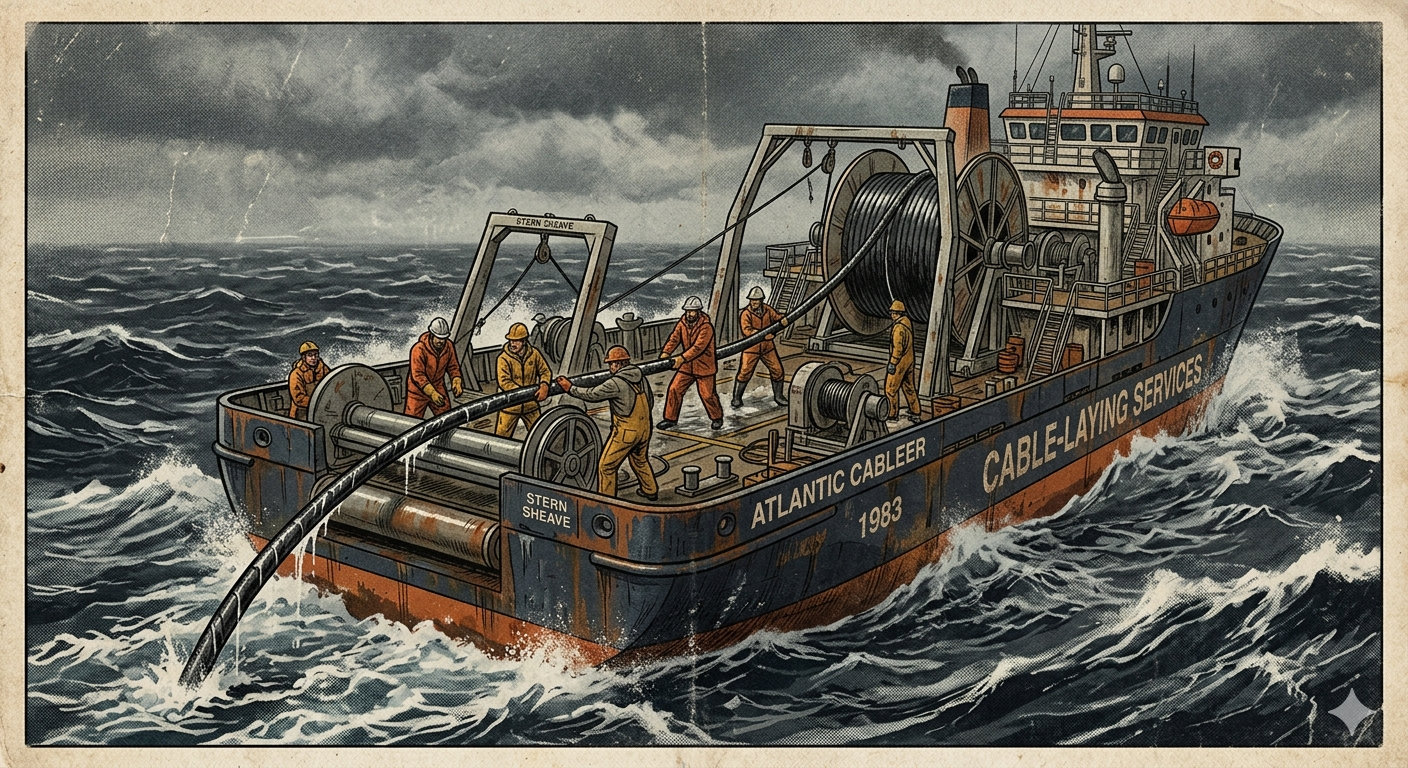
The Cable That Connected Two Worlds: Laying the First Transatlantic Internet Cable
How engineers stretched a wire across 6,000 kilometres of ocean floor — and changed the internet forever.
Before the Wire
In the early 1990s, the internet was growing faster than anyone had anticipated. Universities, research labs, and increasingly — ordinary people — were coming online. But the traffic between Europe and North America still depended on satellite links: expensive, slow, and plagued by the unavoidable physics of signal delay. A round-trip to a geostationary satellite and back takes roughly 600 milliseconds. For email, that was annoying. For real-time communication, it was a wall.
(more…) -
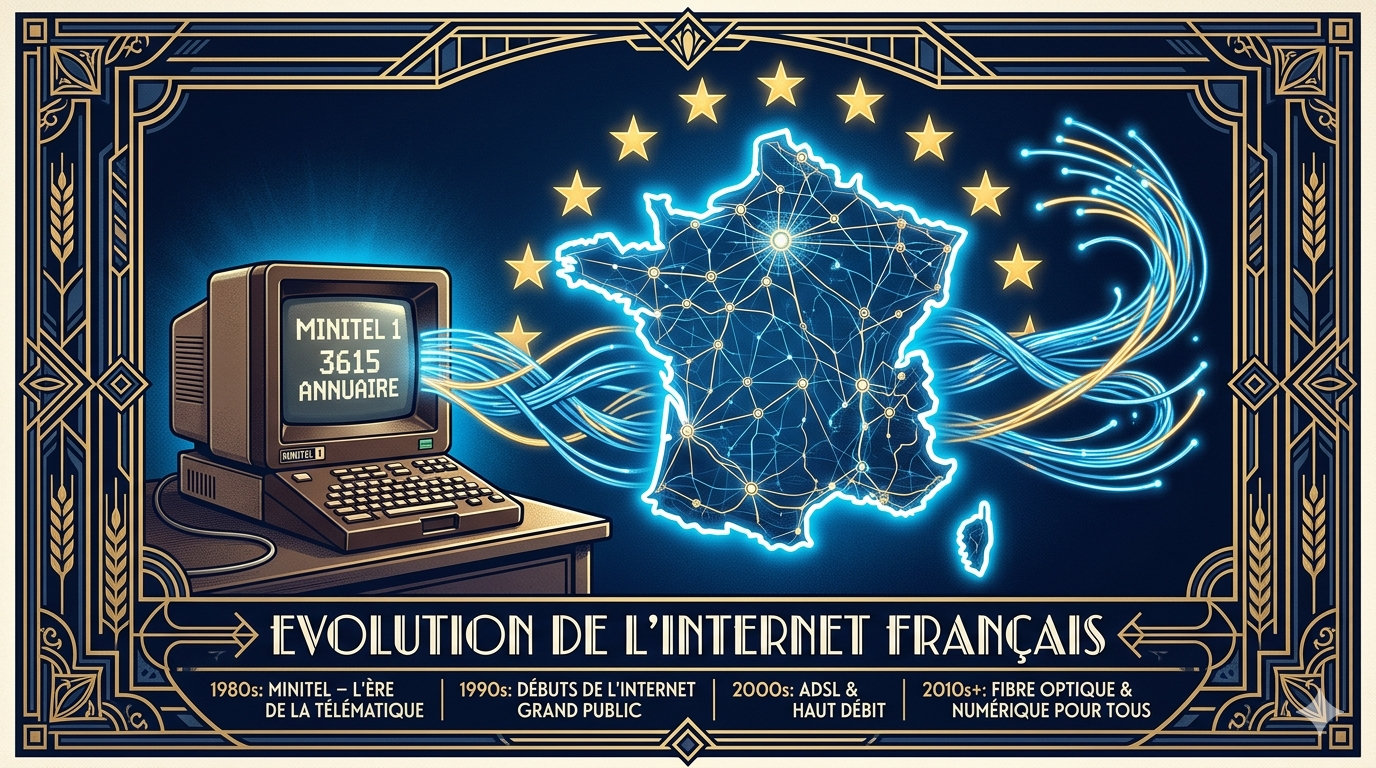
France’s Own Internet: From Minitel to Digital Sovereignty
How a nation that invented the pre-web built its own rules for the network age
Before the Web, There Was Minitel
In 1982, while most of the world was still figuring out what a modem was, France launched something remarkable: Minitel. Operated by France Télécom under the state’s Direction Générale des Télécommunications, Minitel was a nationwide videotex network that gave French households a terminal, a phone line, and access to an online world — over a decade before the World Wide Web existed.
(more…) -
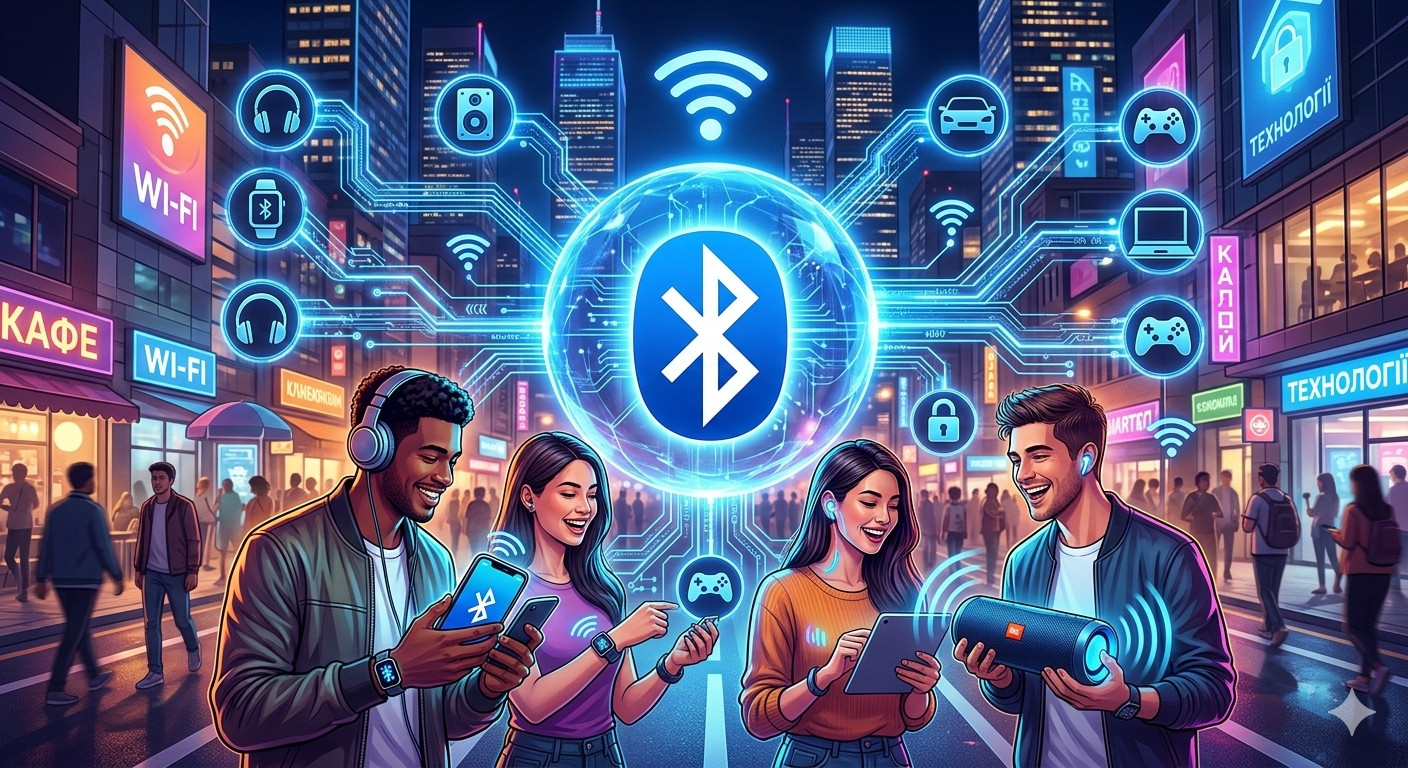
Bluetooth: The Wireless Technology That Connects Our World
Bluetooth is a short-range wireless communication technology that allows devices to exchange data without the need for cables or an internet connection. Operating on the 2.4 GHz radio frequency band, it enables seamless connectivity between smartphones, headphones, keyboards, medical devices, and countless other gadgets.
(more…) -
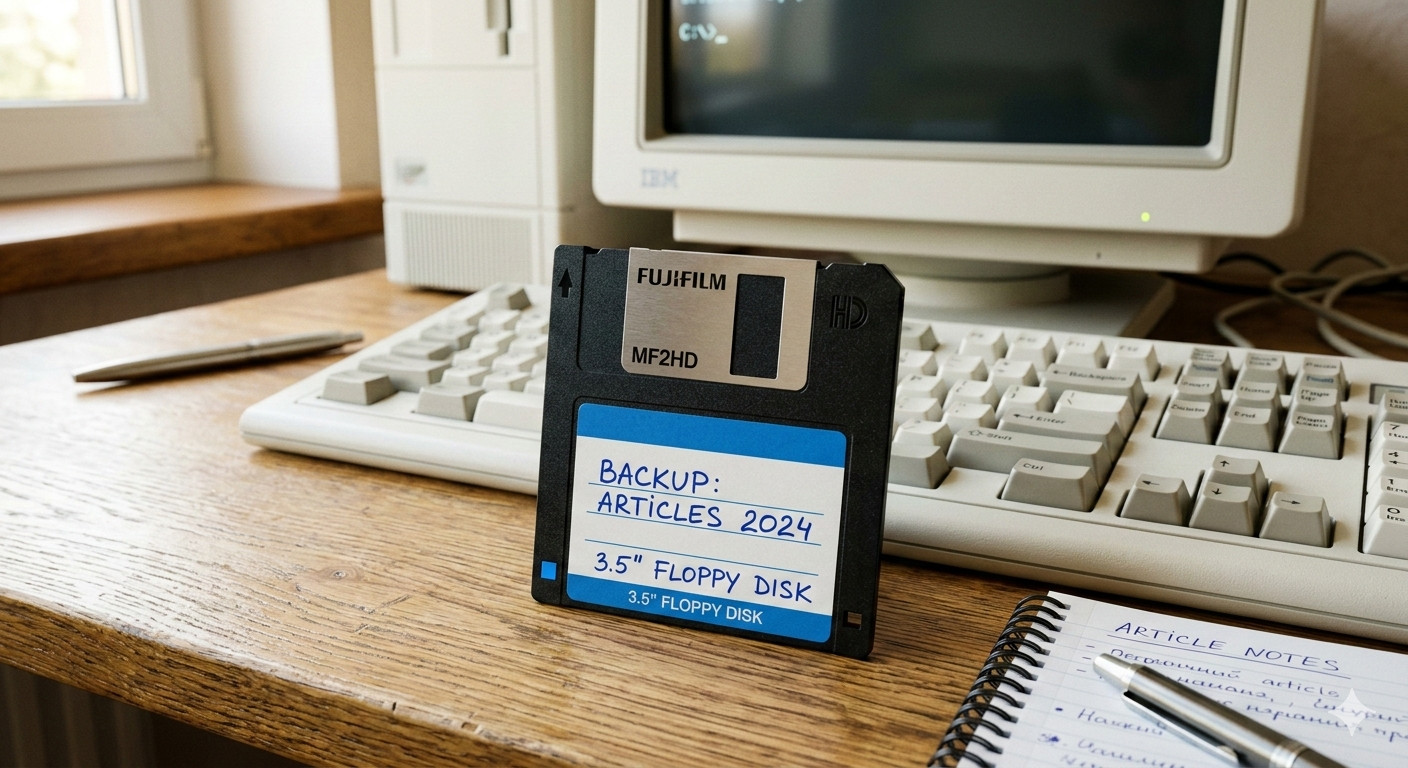
The 3.5-Inch Floppy Disk: A Small Square That Changed Computing
Before USB drives, cloud storage, and email attachments, there was the floppy disk. The 3.5-inch floppy disk, introduced in the early 1980s, became one of the most iconic and widely used data storage media of the 20th century. Though largely obsolete today, it left a lasting mark on computing history — and its silhouette lives on as the universal “Save” icon.
(more…) -
From Islands of Logic to a Global Web: The Birth of Networking
In the early days of computing, a computer was an island. It was a massive, room-sized machine that crunched numbers in solitude. If you wanted to share data with another computer, you didn’t send an email; you physically carried a magnetic tape or a stack of punch cards across the room—a method affectionately known as “Sneakernet.”
The evolution from these digital islands to the hyper-connected world of 2026 is a journey of military necessity, academic curiosity, and a few “Aha!” moments that changed history.
(more…)